Executive Summary
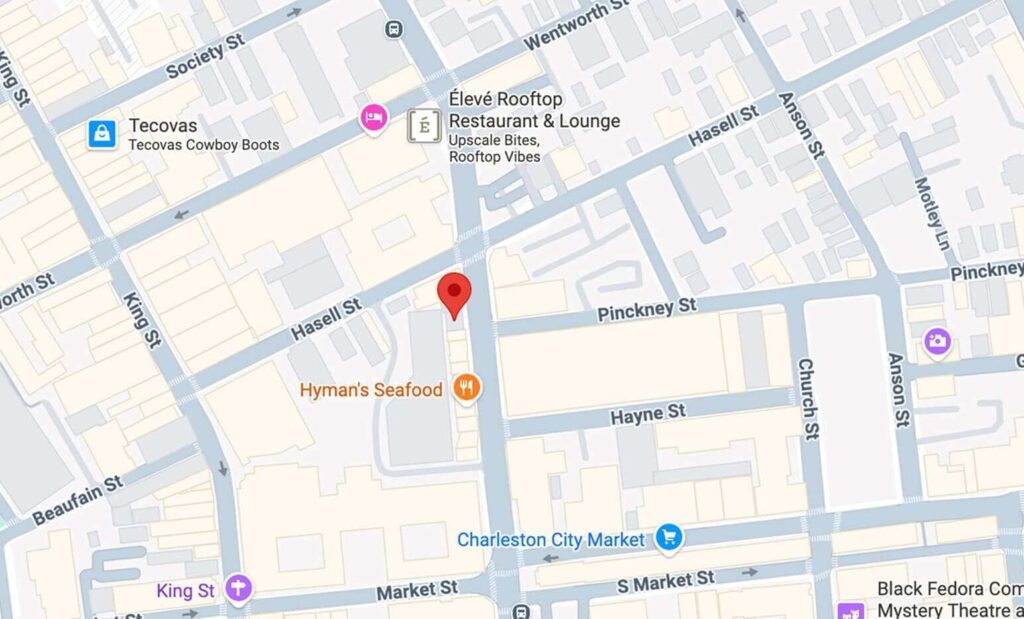
Trendy Haven Gifts, LLC is a boutique retail shop located at 229 Meeting Street in the Charleston Historic District. It’s a corridor known for high tourist flow and steady year-round pedestrian activity. Our store offers artisan gifts, décor, stationery, souvenirs, bath and body items, and a structured gift box program serving both individual shoppers and institutional buyers. Mia Thompson owns the business, and it operates as an LLC. Operating hours total roughly 65 hours/week, matching Charleston’s tourism and downtown work patterns.
Market Position and Revenue Model
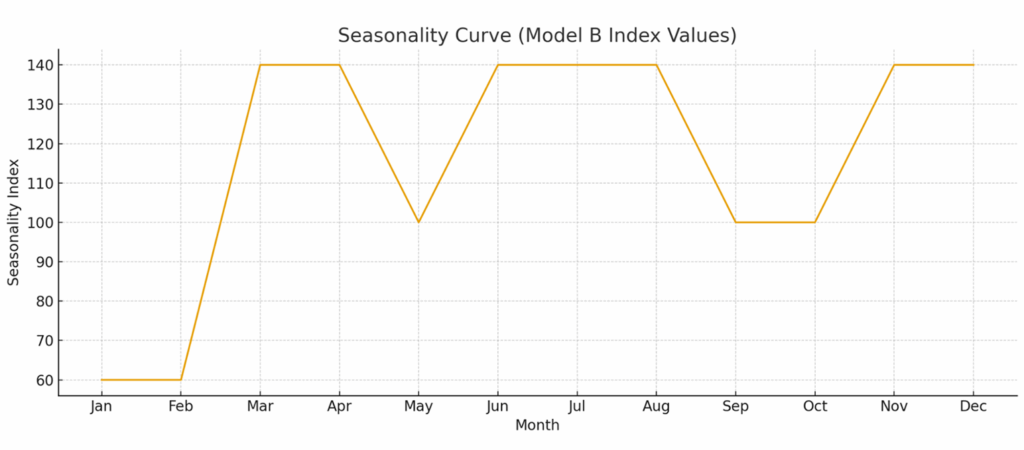
We draw from multiple customer groups. This includes tourists, downtown office workers, hotel guests, concierges, and wedding planners. We generate our revenue through daily in-store transactions, curated gift boxes, custom engraving, and bulk orders for corporate and wedding clients. Daily transactions are expected to start at 26-30/day and grow to 40-45/day by Year 3. Average ticket values increase from $19-$22 over the forecast period. Strong seasonality shapes demand, with peaks in March to April, June to August, and November to December.
Financial Snapshot
Projected revenue totals $195,000 in Year 1, $245,000 in Year 2, and $295,000 in Year 3. Cost of goods sold improves steadily from 52% of revenue in Year 1 to 50% by Year 3, driven by better vendor terms, higher gift box mix, and improved inventory turnover.
Early operating losses reflect conservative ramp-up assumptions, upfront investment in inventory depth, and phased owner compensation during initial operations. Losses narrow over time as transaction volume increases and higher-margin gifting programs mature.
Monthly break-even revenue is approximately $23,000, based on a blended gross margin near 48% and the store’s fixed operating cost structure. Break-even is reached consistently during peak seasonal months in Year 2 and becomes more reliable as revenue scales.
Startup Costs and Funding
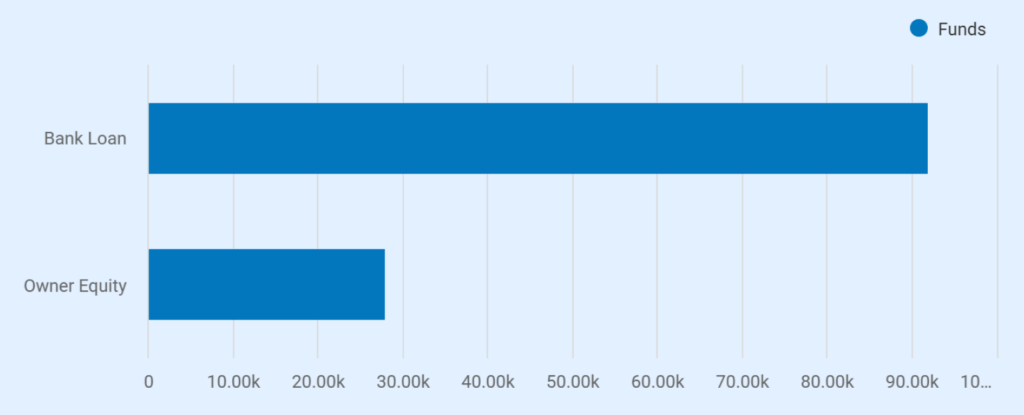
Our startup costs total $83,650. This includes renovation, fixtures, initial inventory, signage, branding, POS systems, early working capital, and insurance. We’ll be funded through a $92,000 bank loan at a 10.4% interest rate over a 7-year term, supplemented by $28,000 in owner equity.
Operations and Staffing
Our operations rely on weekly replenishment of core inventory, monthly ordering of artisan goods, and a staffing structure with a full-time associate, a part-time associate, and seasonal support during high-demand months. We focus our marketing on four channels: social media, SEO and Google activity, hotel concierge partnerships, and email outreach. Concierge relationships play a central role in securing recurring corporate and hospitality orders.
Opening Timeline and Break-even Path
The implementation schedule is fixed: lease begins January 2026, loan approval is targeted for February, renovation is set for March, soft opening planned for May, and grand opening in June 2026. While full break-even isn’t achieved in the first 2 years, the business moves closer to operating sustainability by Year 3, supported by repeat customers, concierge partnerships, and corporate and wedding orders.
Company Overview
Business Identity
Trendy Haven Gifts, LLC is a curated boutique retail shop located at 229 Meeting Street in the Charleston Historic District. Mia Thompson fully owns the business and operates it as a limited liability company.
Our company’s retail concept focuses on lifestyle goods, artisan-made items, décor, stationery, bath and body products, souvenirs, and a structured gifting program that includes pre-made boxes, custom boxes, wedding gifting, concierge hotel orders, and corporate gifting solutions. We operate seven days per week (approximately 65 operating hours), matching the activity cycles of both tourists and downtown workers.
Business Model
We’ve built the shop around a curated retail and gifting experience designed for fast browsing, impulse purchases, and thoughtful gift selection. Customers can shop individual retail items or choose from a tiered gift box program that offers multiple price points and customization levels. Engraving services further increase basket size and add personalization capability at $8-$12 per item.
Our business model intentionally incorporates multiple revenue lanes. Daily walk-in retail transactions create the volume base, while gift boxes and corporate or wedding orders provide higher-value sales that stabilize overall monthly performance. This mix is especially meaningful in a market with strong seasonality, as Charleston’s tourism cycles create predictable fluctuations in foot traffic.
Location Rationale
229 Meeting Street places the shop in the center of Charleston’s historic and commercial flow. The area attracts tourists year-round with high demand in spring, summer, and holiday periods. Nearby hotels, restaurants, and office buildings create a continuous stream of prospective shoppers for both personal and gifting needs. Our product mix fits the area, offering memorable items for visitors and practical or occasion-based gifts for residents and office workers.
Visibility and accessibility were key factors in selecting this address. Meeting Street supports spontaneous retail activity, which benefits a gift shop focused on quick-turn merchandise and curated gifting options. The location also supports the business’s corporate and wedding gifting lanes through close proximity to hotels, event venues, and concierges.
Ownership and Management Approach
Mia Thompson is the sole owner and primary manager of the business. Her role includes merchandising decisions, vendor relationships, inventory planning, staffing oversight, and quality control of the gifting program. Full ownership provides clear decision authority and reduces operational risk from dispersed management. Our staffing setup lets Mia focus on customer experience, product curation, and partnership development while keeping daily coverage consistent.
Mission and Brand Intent
The goal is to create a gift shop that feels easy to walk into and enjoyable to browse. The focus is on well-made, artisan items and gift options that are simple but thoughtful. Everything is meant to feel personal and nicely put together, whether the customer is a visitor, someone working nearby, or a local resident.
The gifting side of the business plays a big role, especially in custom orders and hotel requests. Being able to prepare gifts quickly and consistently makes the shop a dependable option in an area where hotels, weddings, and business events are always happening.3
Market Context
Local Foot Traffic Patterns and Tourism Cycles
Trendy Haven Gifts is located at 229 Meeting Street, right in the middle of Charleston’s historic area. It’s a part of town that stays active most of the time. You see tourists walking between sights, hotel guests heading out for the day, office workers grabbing lunch, and locals passing through. With people constantly moving through the area, the store naturally gets noticed.
Meeting Street is also a place where people tend to slow down. They look into shop windows, step inside, and browse for a few minutes. That works well for a gift shop. Some shoppers want a small item to take home, while others are looking for something nicer that feels connected to Charleston. The store’s product mix fits both of those needs.
Charleston has a pattern to its busy seasons that anyone in retail gets used to. Spring comes first, bringing a noticeable jump in visitors. Summer tends to stay crowded straight through, and then things pick up again once the holidays get closer. During those times, foot traffic rises and so do sales of gifts and keepsakes. People are out enjoying the city and end up stopping in for something quick, something thoughtful, or just something that reminds them of their trip. Softer months, primarily January and February, see lower pedestrian volumes. The business model mitigates these dips by relying on local office workers, residents, and institutional gifting accounts that maintain revenue when visitor activity slows.
Target Customer Segments
Tourists (ages 24 to 65)
Tourists form the largest share of expected walk-in traffic. These customers often seek décor, souvenirs, stationery, candles, and small artisan gifts that are easy to transport. Many make spontaneous purchases during sightseeing or while visiting nearby restaurants and hotels. The tiered gift box program also appeals to visitors looking for pre-packaged gifts that feel thoughtful yet convenient.
Local downtown office workers
Weekday demand is supported by office workers from adjacent buildings who purchase cards, small gifts, stationery, and practical items. These customers help stabilize revenue during non-peak tourism hours. Their buying behavior is steady and predictable, which supports the shop’s inventory planning.
Local residents
Residents shop for home décor, personal gifts, children’s items, and seasonal purchases. They also form the base of repeat business, returning for birthdays, holidays, hostess gifts, and custom boxes.
Hotel guests and concierges
Charleston’s hotels often point their guests toward nearby shops when someone needs a gift in a hurry. Concierges will sometimes call ahead for a pre-made box or ask for something custom for a VIP arrival or a special event. These requests usually come with little notice, so having the right items already on hand—plus the ability to add engraving when needed—makes the store an easy place for them to rely on.
Wedding planners and wedding clients
Charleston is a major wedding destination. Planners and couples often need welcome boxes, family gifts, and bridal party items. Order sizes vary from small to substantial, and each order provides a reliable margin. The gift box pricing tiers and custom options align directly with these needs.
Seasonal Demand and Purchasing Behavior
The shop’s product mix mirrors Charleston’s demand cycles. When the busy months hit, tourists make up most of the traffic. A lot of those purchases are quick and unplanned. People pick up candles, small décor pieces, jewellery, children’s items, or souvenirs right before they leave town. Those categories consistently perform well when visitor numbers are high.
Things slow down at certain times of the year, but the store doesn’t rely only on tourists. Office workers and local residents still come in for everyday gifts and small purchases, which helps keep sales steady. On top of that, concierge requests, corporate orders, and wedding-related gifting continue to come in. Those sales aren’t tied to the tourist season, and having them in the mix helps smooth out the slower months.
Competitive Positioning
The Charleston Historic District contains a mix of souvenir shops, home décor stores, artisan markets, and lifestyle boutiques. Trendy Haven Gifts differentiates itself through its curated assortment, gift boxes, and engraving services rather than relying on mass souvenirs. Most nearby stores specialize in either décor, apparel, or standard tourist merchandise. Few combine artisan items with structured gifting programs that cater simultaneously to walk-in customers, hotel partners, and wedding professionals.
This approach matters because the shop isn’t trying to win on price or push high volume. It’s more about having the right items, making things easy, and being able to handle custom or same-day gift requests when they come up. Having more than one way to make sales also helps. The store isn’t tied to just one type of customer, which makes business steadier throughout the year.
Product-Market Fit
The assortment is built around how different customers actually shop. Tourists usually want something memorable to take home. Office workers are often looking for a quick gift without spending much time. Residents tend to shop for personal items or seasonal occasions. Concierges need options they can count on, and wedding planners expect gift sets that look polished and consistent. The pricing reflects that mix. Items stay accessible for everyday shoppers, while still leaving room for higher-end gift boxes when customers want something more special.
Products And Services
Overview of the Merchandise Strategy
Trendy Haven Gifts operates a curated assortment designed to meet the needs of tourists, downtown professionals, local residents, hotel partners, and wedding planners. Our product strategy is built around a mix of fast-moving retail items, artisan goods with higher perceived value, and a structured gifting program that increases average ticket size. The assortment is intentionally balanced across price points to support impulse purchases as well as premium gifting needs. This multi-lane model reduces exposure to Charleston’s strong seasonality and broadens the store’s revenue sources beyond walk-in retail alone.
Core Retail Categories
The shop offers a range of lifestyle and gifting items chosen to match the buying patterns of visitors and locals. These categories create consistent baseline sales because they appeal to customers who want small, portable items and well-presented gifts.
| Category | Price Range in $ | Primary Buyers | Purpose in Assortment |
|---|---|---|---|
| Candles | 16–32 | Tourists, residents, gift purchasers | Steady volume, gift-ready, repeatable |
| Jewelry | 24–65 | Tourists, locals purchasing gifts | Higher basket values, curated appeal |
| Stationery | 12–28 | Office workers, residents, tourists | Reliable weekday sales, quick purchases |
| Décor | 18–48 | Tourists, residents | Differentiates the store beyond souvenirs |
| Bath & body | 10–24 | Tourists, hotel guests | Travel-friendly, high impulse purchases |
| Children’s | 8–26 | Families, residents | Frequent impulse add-ons |
| Souvenirs | 9–35 | Tourists | Accessible price points, high turnover |
These categories collectively support daily transaction volume, which begins at 26 to 30 transactions per day at opening and grows to 40-45 per day by Year 3.
Gift Box Program
Gift boxes are a central component of our revenue model. The program includes pre-made boxes, custom selections, wedding gifting, corporate gifting, and hotel concierge orders. Price points include $28, $48, and $72 to $98, with a blended average of approximately $52 per box.
This structure supports three objectives:
- Increase average ticket value above standard walk-in purchases
- Create repeat business from wedding planners, concierges, and corporate teams
- Stabilize revenue during the tourism off-season months
Gift boxes also simplify purchasing decisions for tourists, who often prefer ready-made solutions when flying home or attending events.
Engraving Services
Engraving is offered at $8 to $12 per item and serves as an effective add-on service. It increases basket size, encourages selection of customizable items, and provides a service differentiation that most nearby boutiques do not offer.
Corporate, Wedding, and Hotel Orders
Charleston’s hospitality and wedding sectors create a reliable pipeline of gifting needs. Corporate and wedding orders range from $150 to $1200, with an average of around $300. These orders are often for welcome gifts, event gifts, and executive stays.
This revenue stream is important for smoothing seasonality. For example:
- Corporate teams may order curated boxes for staff events throughout the year.
- Wedding planners may place orders months in advance, giving predictable revenue.
- Concierges may request same-day or next-day boxes for guest occasions, providing consistent high-margin sales.
Revenue Drivers and Ticket Progression
Annual growth in revenue is tied to realistic, grounded variables: daily transactions, ticket averages, and sales mix.
| Metric Type | Year/Period | Value Range (USD) | Notes |
|---|---|---|---|
| Daily Transactions | Opening period | 26–30/day | Baseline volume at launch. |
| End of Year 1 | 35–40/day | Driven by stronger traffic and gifting growth. | |
| Year 2 | 36–42/day | Stabilized mix of tourists, locals, and partnerships. | |
| Year 3 | 40–45/day | Mature volume supported by concierge and corporate accounts. | |
| Average Ticket | Year 1 | 19–20 | Retail-heavy purchasing early in operations. |
| Year 2 | 20–21 | Growth from gift boxes and add-on engraving. | |
| Year 3 | 21–22 | Higher share of corporate, hotel, and wedding orders. | |
| High-Value Drivers | Gift Boxes | 28–98 | Raises ticket averages and creates recurring orders. |
| Corporate/Wedding Orders | 150–1,200 | Steady large-ticket contribution across seasons. | |
| Engraving Add-ons | 8–12/item | Increases per-transaction margin. |
Gift boxes, engraving, and corporate orders are the key drivers behind ticket growth over time. As the shop builds these partnerships, the mix slowly shifts toward higher-value purchases, improving margin performance year over year.
How the Assortment Supports Business Stability
The assortment is designed so that each category contributes to a different stability mechanism:
- Retail items → daily volume and consistent baseline revenue
- Gift boxes → reliable upsell and partnership-driven margin
- Engraving → add-on margin without significant labor cost
- Corporate and wedding orders → seasonal smoothing and large-ticket reliability
- Hotel concierge orders → recurring demand not tied to tourist peaks
This structure helps the business reach break-even by maintaining transaction volume during slow months and capturing higher-value orders during peak months.
Operations And Inventory Management
Operating Schedule and Daily Rhythm
The store is open about 65 hours a week and runs seven days. The hours are set around when people are actually out and about in this part of town. Most days get going mid-morning and stay active through the afternoon and early evening. That’s when tourists are walking around the Historic District and office workers are nearby during the week. We don’t open extra early or stay open late just to say we do. The focus is on being open when it makes sense.
The owner takes care of opening and closing the shop each day. That usually means straightening displays, handling cash, checking the POS, and making sure any hotel, concierge, or wedding orders are ready to go. During the day, associates handle the floor. They help customers, restock items, pack gift boxes, and keep the store looking the way it should.
Inventory Management Structure
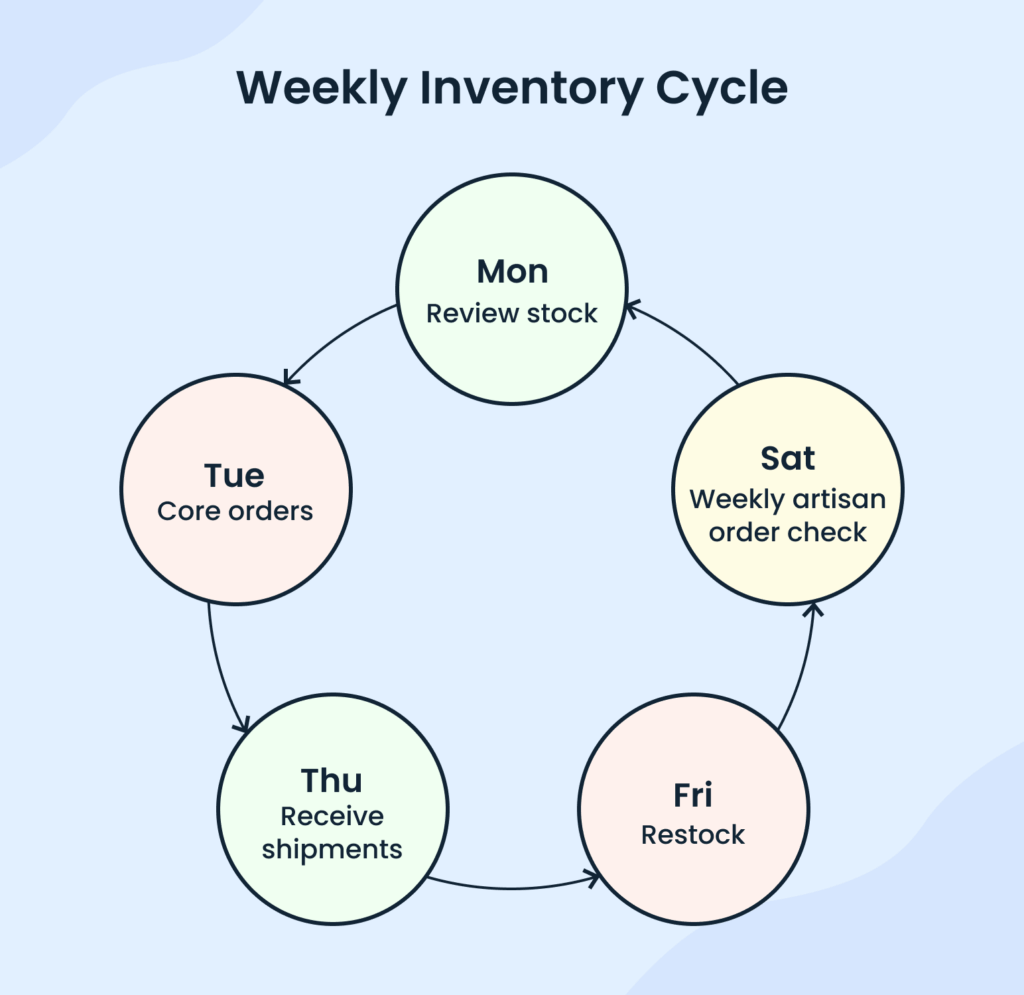
Our store relies on an inventory program designed for predictability and turnover speed. We replenish our core items weekly, including candles, stationery, children’s products, and fast-moving souvenirs. Artisan goods, which typically have longer lead times and smaller batch availability, are reordered monthly. This approach keeps the assortment fresh while reducing the risk of overstocking higher-cost artisan items.
Inventory gets checked weekly, so the owner knows what needs to be reordered and which categories are actually pulling their weight. These reviews also help plan for upcoming gift boxes and bulk orders. The POS system is used mainly as a practical tool—to see what’s selling, what’s sitting too long, and where margins are starting to slip.
Shrinkage is handled straightforwardly. Extra stock is kept to a minimum in the back, displays are easy to see, and a full physical count is done once a month to catch issues early.
Vendor and Supply Management
Vendor relationships fall into two primary groups: artisan suppliers who provide curated, small-batch items, and wholesale suppliers of consistent, high-turn merchandise. Artisan orders are scheduled monthly to synchronize with availability and maintain uniqueness within the assortment. Wholesale orders are placed on a weekly or biweekly basis, depending on sell-through levels.
Where possible, vendors are selected based on shipping reliability, product consistency, and the ability to support both retail and gift box components. This ensures that popular items remain in stock and that curated boxes can be assembled without substitutions.
Gift Box Production and Fulfillment Workflow
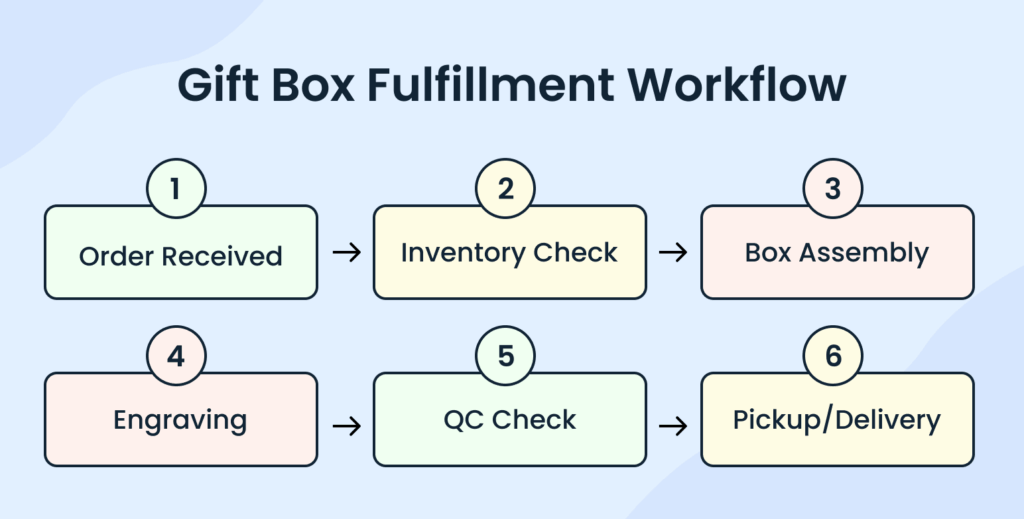
Gift boxes form a major portion of the shop’s operational routine. Pre-made boxes are assembled in small batches and restocked multiple times per week. Custom boxes are prepared as orders come in, with associates responsible for wrapping, packaging, and preparing inserts.
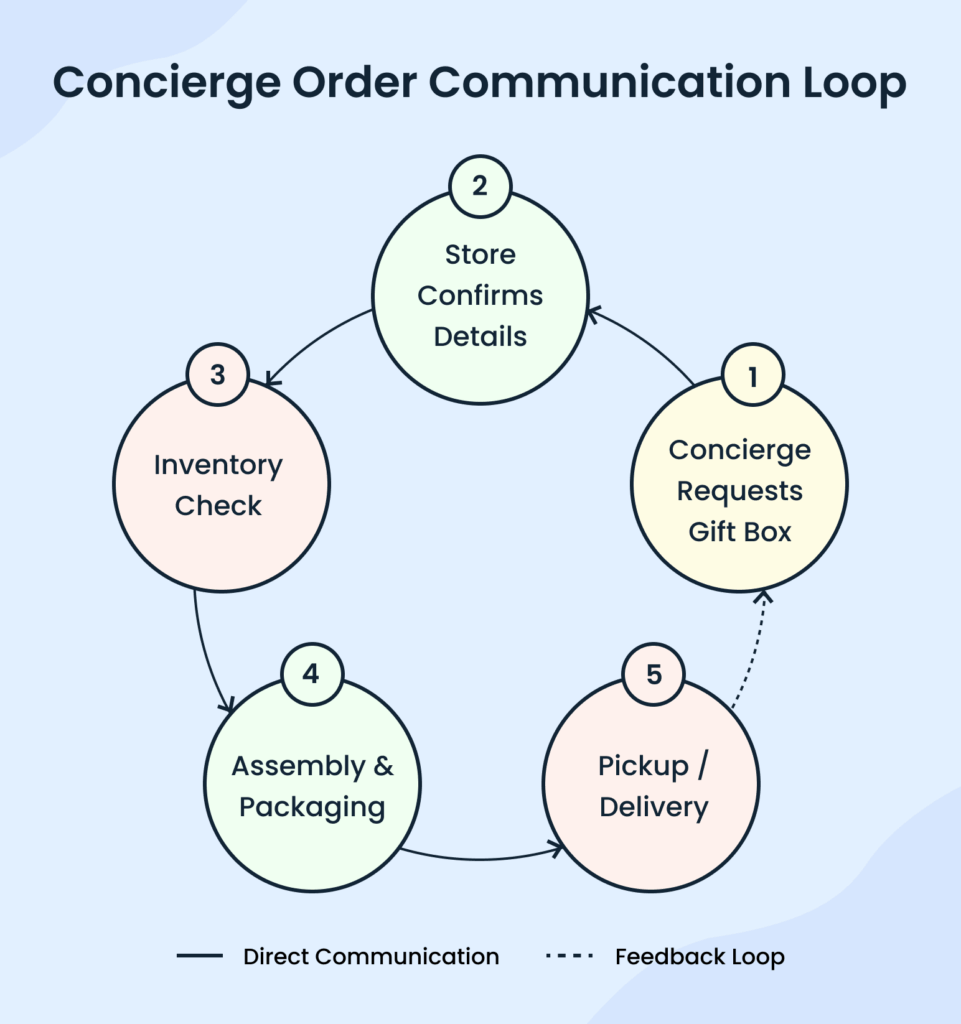
Hotel concierge partners frequently place same-day or next-day orders, which require efficient inventory checks and prompt assembly. Wedding and corporate orders are typically scheduled in advance, allowing the owner to order inventory in bulk and prepare boxes according to event dates. All boxes pass through a quality control checklist before being sealed and staged for pickup.
Engraving Process
Engraving services, priced at $8 to $12 per item, are managed in-store using a standardized workflow. Items requiring engraving are tagged at checkout and prepared in batches during low-traffic periods. This minimizes disruption while increasing per-transaction value.
Scheduling Logic and Coverage
Staffing is designed around the store’s operating hours: Monday through Thursday from 10 am to 7 pm, Friday and Saturday from 10 am to 8 pm, and Sunday from 11 am to 5 pm. The full-time associate provides consistent anchor coverage, while the part-time associate supports peak traffic periods such as late afternoons, weekends, and tourist-heavy days.
During high-volume months, the seasonal assistant expands capacity in areas with the highest operational load, namely gift-box production, wrapping, and inventory restocking. This ensures the store can handle both walk-in customers and rapid gift-box fulfillment without compromising service quality.
In January and February, the store leverages reduced foot traffic by scaling back non-essential hours and focusing on inventory resets, vendor negotiations, and early wedding-season preparation.
Customer Experience Standards
Customer experience is maintained through consistent merchandising, organized displays, and clear product grouping. Associates follow a daily checklist that includes tidying displays, restocking low inventory, maintaining packaging materials, and ensuring the gift box station is ready for same-day orders. This ensures that customers encounter a clean, curated environment even during high-volume periods.
Operational Controls and Risk Management
To preserve margin and workflow stability, the store uses the following operational controls:
- Weekly inventory reviews focusing on fast-moving SKUs
- POS reporting for category performance and restock thresholds
- Monthly shrinkage monitoring and waste tracking
- Advance scheduling for wedding and corporate orders
- Cash-handling protocols with end-of-day reconciliation
- Weather and tourism cycle monitoring to anticipate demand shifts
These controls allow the store to adapt quickly to fluctuations in visitor traffic and maintain efficient use of labor and inventory.
Does your business plan feel generic or unclear?
Customize your plan to adapt to investor/lender interests

Marketing Plan
Marketing Strategy Overview
Trendy Haven Gifts uses a four-channel marketing system designed to attract both walk-in customers and structured gifting clients. The goal is to maintain steady business during peak tourist seasons while building recurring, year-round demand from local residents, office workers, hotel partners, and wedding planners. The mix focuses on low-cost, high-return channels rather than large paid advertising budgets, which keeps early operating expenses disciplined.
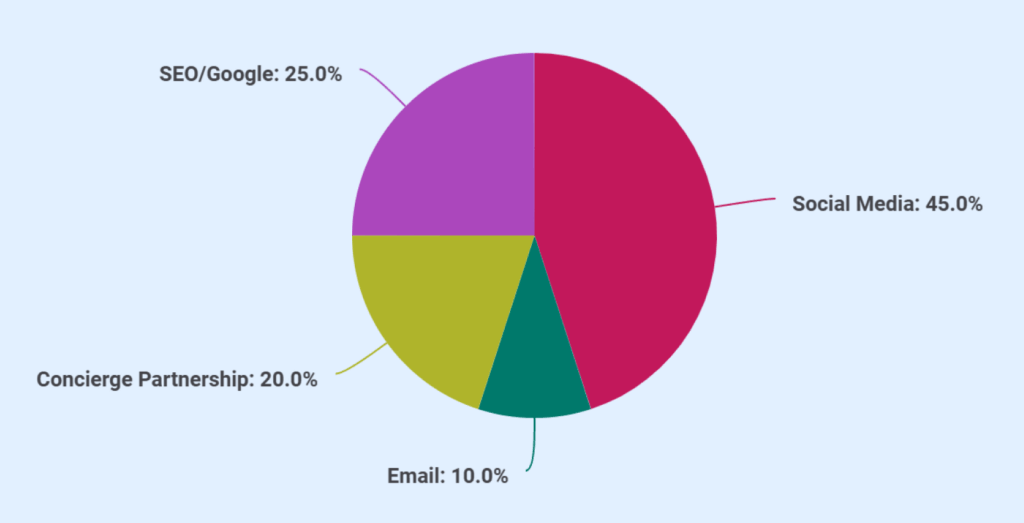
Social Media (45% Allocation)
Social media is the store’s most visible and content-rich marketing channel. It showcases new arrivals, artisan products, gift box designs, seasonal assortments, and behind-the-scenes packaging work. The curated nature of the merchandise translates well to photography, which helps convert online interest into in-store traffic.
This channel supports:
- Tourists researching shops before visiting Charleston
- Locals looking for new gift ideas
- Wedding planners validating gifting quality
- Hotel concierges evaluate presentation standards for guest requests
Content remains consistent throughout the year but intensifies ahead of high-demand periods in spring and Q4. Social posts also reinforce key gifting categories that raise average ticket values, such as custom boxes and engraving.
SEO and Google Visibility (25% Allocation)
Search visibility is critical in a tourism market where visitors frequently rely on Google Maps results and localized queries. SEO focuses on practical search terms such as “Charleston gifts”, “gift box shop”, “hotel gift boxes”, and “wedding welcome gifts”.
This channel supports:
- Tourists planning activities and shopping stops in advance
- Hotels recommending nearby businesses
- Wedding planners sourcing gift box vendors
- Local customers looking for quick gifting solutions
Improved search ranking directly contributes to daily transactions, especially from first-time visitors unfamiliar with Meeting Street’s retail offerings.
Concierge Partnerships (20% Allocation)
Hotel concierge relationships form the most predictable year-round demand outside of the tourism cycle. Concierges often require pre-made or custom gift boxes for guest celebrations, welcome visits, or event-related stays. These orders typically carry strong margins and often require same-day or next-day turnaround.
Operational integration is essential. The owner maintains a communication routine with concierge teams, confirming availability, pricing tiers, and pickup or delivery timing. Associates prepare boxes promptly, and inventory is monitored to ensure the store can fulfill recurring hotel requests even during peak weekends.
This channel supports weekday and off-season stability, helping reach the consistent revenue needed to achieve break-even by Year 2.
Email Marketing (10% Allocation)
Email serves the store’s local and repeat-customer audience. It is used for:
- Announcing new arrivals
- Promoting seasonal gift boxes
- Providing reminders for holidays and local events
- Encouraging repeat visits from residents and office workers
Because email is low-cost and retention-focused, it strengthens customer lifetime value without increasing acquisition expenses. Most email content is tied to product drops, holidays, or curated box themes.
Partnerships
Charleston’s wedding industry generates consistent gifting demand. Wedding planners often need welcome boxes, bridal party gifts, and family gifts. Establishing structured relationships with planners allows the store to schedule orders in advance, order materials in bulk, and secure repeat business.
Local businesses also provide opportunities for corporate gifting, staff appreciation gifts, and event packages. These orders typically fall in the $150 to $1200 range, with a blended average of around $300.
Seasonal Marketing Structure
Marketing intensity rises during the highest tourism periods: March through April, June through August, and the November–December holiday season. Campaigns during these windows prioritize product visibility, fast-moving tourist items, and ready-made gift boxes. In slower months such as January and February, the focus shifts to partnerships, local outreach, and advanced wedding booking for spring and summer.
This ensures that marketing resources are aligned with expected revenue windows and inventory levels.
How Marketing Supports Revenue Growth
Marketing channels tie directly to the shop’s transaction and ticket progression assumptions. Social and SEO drive walk-in volume, concierge partnerships and wedding clients increase higher-ticket sales, and email strengthens repeat purchases. The variety in channels mirrors the store’s multi-lane revenue model, reducing dependency on any single customer group.
Together, these channels create the consistent flow needed to support the revenue climb from $200,000 in Year 1 to $295,000 by Year 3, with improved average ticket values driven by gift box visibility and corporate gifting.
Management
Management Structure
Trendy Haven Gifts, LLC is fully owned and managed by Mia Thompson. As a hands-on owner, she oversees day-to-day store operations, vendor relationships, merchandising decisions, inventory planning, gift-box quality control, and all partnership development with hotels, concierges, and wedding planners. Her direct involvement reduces operational risk and ensures consistency across customer experience, procurement, and staffing oversight.
The owner’s role includes:
- Managing inventory cycles and vendor communications
- Supervising staff and setting service standards
- Handling concierge order coordination and large gifting accounts
- Ensuring merchandising and seasonal displays reflect demand patterns
- Monitoring cash flow, expenses, and payroll
- Leading store opening and closing routines
Owner involvement is highest during peak tourism months, major holidays, and periods of high gifting demand, such as Q4 and the spring wedding season.
Staffing Model and Seasonal Adjustments
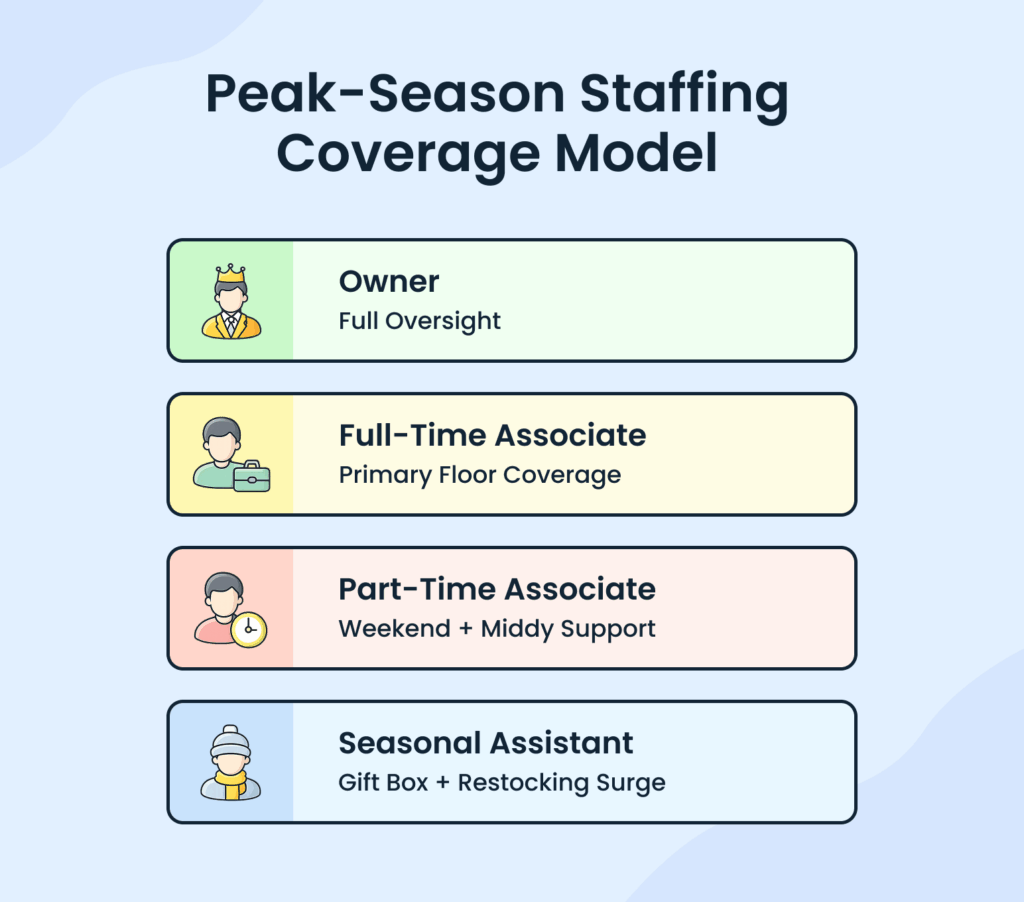
The staffing plan balances coverage requirements with cost control. The full-time associate works 35 hours per week, the part-time associate works fifteen hours per week, and a seasonal assistant covers 20 hours per week during Q4 and one additional spring month. Payroll load is applied at 10% for full-time staff, 8% for part-time staff, and 6% for seasonal workers.
During high-traffic months, the seasonal assistant supports packaging, restocking, and front-of-house service to maintain throughput during peak hours. In slower months such as January and February, the owner temporarily reduces non-essential hours and shifts focus to inventory cleanup, vendor resets, and partnership outreach.
| Role | Hours per Week | Seasonal Adjustment | Notes on Function |
|---|---|---|---|
| Owner | Varies (management + operations) | Increased oversight during peak months | Oversees ordering, vendor relations, gifting workflow, and quality control |
| Full-time Associate | 35 hours per week | Stable year-round | Primary floor coverage, customer service, and restocking |
| Part-time Associate | 15 hours per week | Stable year-round | Supports busy midday and weekend periods |
| Seasonal Assistant | 20 hours per week (Q4 + 1 spring month) | Added only during peak demand | Supports gift box assembly, concierge orders, and restocking during high-traffic periods |
Staff Roles and Responsibilities
Each position is structured around key operational activities:
Customer Service and Sales
- Greeting customers and assisting with product selection
- Managing POS transactions and returns
- Recommending add-on sales such as engraving or premium-box upgrades
Inventory Management
- Weekly restocking of core goods
- Receiving Thursday shipments
- Assisting the owner with monthly artisan orders
- Identifying low stock and reporting reorder needs
Gift Box Program Execution
- Assembling pre-made boxes
- Preparing custom and hotel-specific gift sets
- Ensuring presentation quality meets concierge and wedding-planner expectations
- Following packaging and quality-control procedures
Concierge and Partnership Orders
- Communicating fulfillment timing to the owner
- Preparing pickup-ready packaging for hotels
- Assisting in staging deliveries during peak weekends
Training and Service Standards
To maintain consistency in a curated retail environment, our staff are trained in:
- Product knowledge across all retail categories
- Merchandising standards
- Gift-box assembly protocols
- Customer engagement for both tourists and locals
- Handling concierge and wedding orders with accuracy and timeliness
- Cash-handling and POS accuracy
Service expectations emphasize approachable, knowledgeable assistance rather than high-pressure selling. This aligns with the boutique environment and enhances repeat business from residents and hotel partners.
Rationale for the Staffing Plan
The staffing structure balances cost control with service quality. The full-time associate ensures operational stability, the part-time associate provides flexibility for variable traffic, and the seasonal assistant expands capacity during periods of predictable demand spikes. Payroll load percentages were built into the plan to reflect realistic labor costs and protect the business’s cash flow during Year 1.
With the owner providing consistent oversight and stepping in during critical operational windows, the business maintains strong customer service while keeping wage expenses aligned with revenue cycles.
Financial Plan
Startup Costs
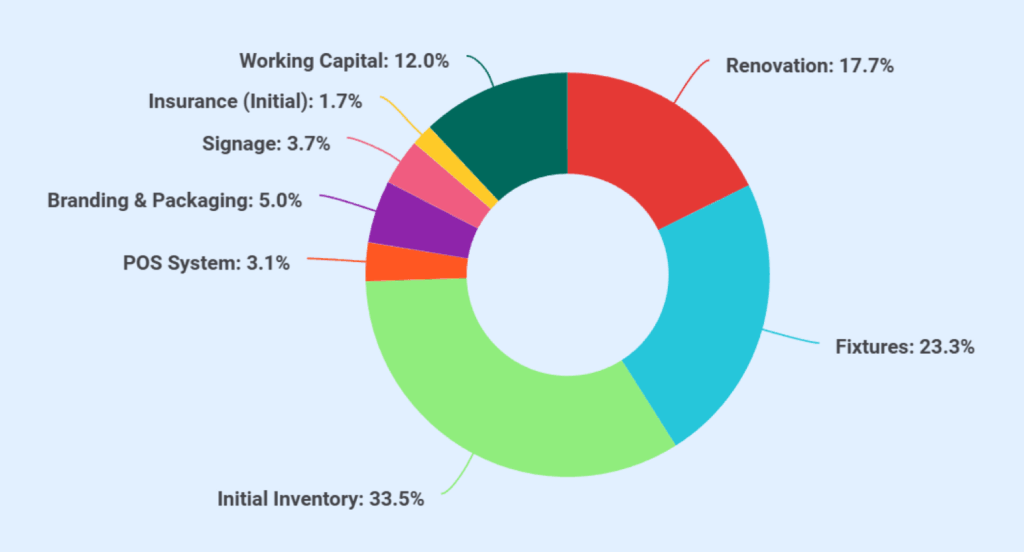
| Category | Amount (USD) |
|---|---|
| Renovation & leasehold improvements | 14,800 |
| Fixtures & displays | 19,500 |
| Initial inventory | 28,000 |
| POS system & setup | 2,600 |
| Branding & packaging | 4,200 |
| Signage | 3,100 |
| Insurance (initial) | 1,450 |
| Working capital reserve | 10,000 |
| Total Startup Costs | 83,650 |
Funding Structure
| Source | Amount (USD) |
|---|---|
| Bank Loan (7 yrs, 10.4%) | 92,000 |
| Owner Equity | 28,000 |
| Total Funding | 120,000 |
Funding exceeds initial build-out costs to provide working capital sufficient to absorb early operating losses and debt service during the first phase of operations.
Use of Funds
Revenue Model and Forecast
Trendy Haven Gifts generates revenue through three primary streams: in-store retail sales, curated gift boxes, and bulk custom orders for corporate, hotel, and wedding clients. Revenue projections reflect conservative daily transaction growth, modest ticket increases, and strong seasonal concentration in peak tourist months.
Annual Revenue Forecast
| Year | Total Revenue (USD) |
|---|---|
| Year 1 | 195,000 |
| Year 2 | 245,000 |
| Year 3 | 295,000 |
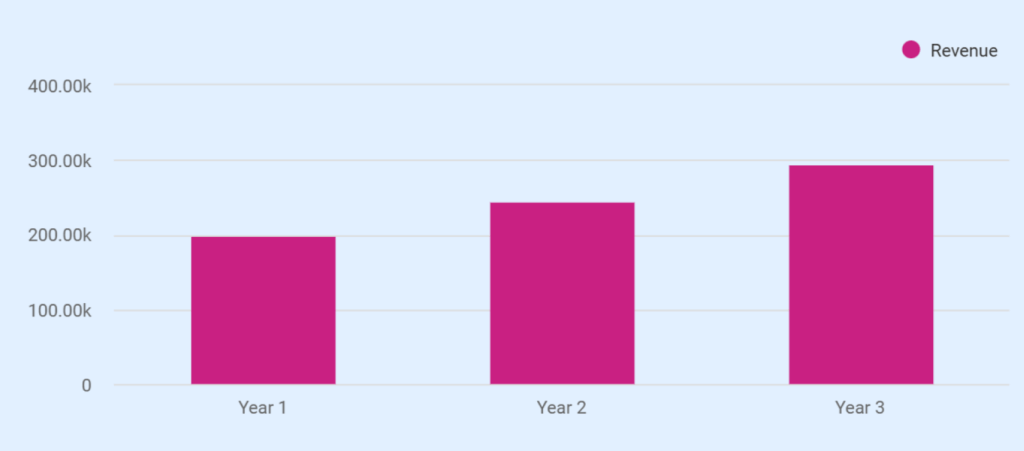
Revenue growth is driven by higher daily transactions rather than aggressive pricing changes. Average ticket values rise gradually from product mix improvement and higher gift box penetration, not price inflation.
Cost of Goods Sold (COGS)
COGS consists primarily of wholesale product purchases, artisan commissions, packaging, and gift box materials.
COGS Assumptions and Totals
| Year | COGS % | Gross Margin % | Revenue (USD) | COGS (USD) | Gross Profit (USD) |
|---|---|---|---|---|---|
| Year 1 | 52% | 48% | 195,000 | 101,400 | 93,600 |
| Year 2 | 51% | 49% | 245,000 | 124,950 | 120,050 |
| Year 3 | 50% | 50% | 295,000 | 147,500 | 147,500 |
Margin improvement reflects better vendor terms, higher-margin private gift boxes, and improved inventory turnover.
Operating Expenses
Operating expenses include fixed store costs, payroll, and essential support services.
Fixed non-payroll costs
| Expense | Year 1 (USD) | Year 2 (USD) | Year 3 (USD) |
|---|---|---|---|
| Rent | 38,400 | 39,600 | 40,800 |
| Utilities & internet | 7,800 | 8,000 | 8,200 |
| Insurance | 1,800 | 1,900 | 2,000 |
| POS & software | 2,100 | 2,200 | 2,300 |
| Marketing | 15,600 | 16,800 | 18,000 |
| Bookkeeping | 1,800 | 1,900 | 2,000 |
| Supplies & shrinkage | 4,800 | 5,200 | 5,600 |
| Total non-payroll | 72,300 | 75,600 | 78,900 |
Payroll and owner draw
| Role | Year 1 (USD) | Year 2 (USD) | Year 3 (USD) |
|---|---|---|---|
| Owner draw | 24,000 | 32,000 | 38,000 |
| Full-time associate | 32,000 | 33,500 | 35,000 |
| Part-time associate | 12,200 | 13,200 | 14,200 |
| Seasonal staff | 5,300 | 6,000 | 6,800 |
| Total payroll | 73,500 | 84,700 | 94,000 |
Total Operating Expenses
| Year | Non-payroll (USD) | Payroll (USD) | Total Opex (USD) |
|---|---|---|---|
| Year 1 | 72,300 | 73,500 | 145,800 |
| Year 2 | 75,600 | 84,700 | 160,300 |
| Year 3 | 78,900 | 94,000 | 172,900 |
EBITDA Projection
| Year | Gross Profit (USD) | Operating Expenses (USD) | EBITDA (USD) |
|---|---|---|---|
| Year 1 | 93,600 | 145,800 | -52,200 |
| Year 2 | 120,050 | 160,300 | -40,250 |
| Year 3 | 147,500 | 172,900 | -25,400 |
Projected Profit & Loss Statement (3 Years)
| Line Item | Year 1 (USD) | Year 2 (USD) | Year 3 (USD) |
|---|---|---|---|
| Revenue | 195,000 | 245,000 | 295,000 |
| Cost of Goods Sold | 101,400 | 124,950 | 147,500 |
| Gross Profit | 93,600 | 120,050 | 147,500 |
| Operating Expenses (non-payroll) | 72,300 | 75,600 | 78,900 |
| Payroll (incl. owner draw) | 73,500 | 84,700 | 94,000 |
| Total Operating Expenses | 145,800 | 160,300 | 172,900 |
| EBITDA | -52,200 | -40,250 | -25,400 |
| Depreciation & amortization | 0 | 0 | 0 |
| Interest expense (approx.) | 9,500 | 8,800 | 8,100 |
| Net Profit (Loss) | -61,700 | -49,050 | -33,500 |
Spreadsheets are exhausting & time-consuming
Build accurate financial projections w/ AI-assisted features
Projected Balance Sheets (3 Years)
| Balance Sheet Item | Year 1 (USD) | Year 2 (USD) | Year 3 (USD) |
|---|---|---|---|
| ASSETS | |||
| Cash | 18,900 | 9,200 | 6,500 |
| Inventory | 28,000 | 32,000 | 36,000 |
| Fixtures & equipment (net) | 36,000 | 34,000 | 32,000 |
| Total Assets | 82,900 | 75,200 | 74,500 |
| LIABILITIES | |||
| Bank loan (ending balance) | 83,500 | 72,500 | 61,500 |
| Accounts payable | 6,000 | 7,500 | 9,000 |
| Total Liabilities | 89,500 | 80,000 | 70,500 |
| EQUITY | |||
| Owner equity (paid-in) | 28,000 | 28,000 | 28,000 |
| Retained earnings | -34,600 | -32,800 | -24,000 |
| Total Equity | -6,600 | -4,800 | 4,000 |
| Total Liabilities + Equity | 82,900 | 75,200 | 74,500 |
Projected Cash Flow Statement (3 Years)
| Cash Flow Item | Year 1 (USD) | Year 2 (USD) | Year 3 (USD) |
|---|---|---|---|
| Beginning Cash | 36,350 | 18,900 | 9,200 |
| Operating Activities | |||
| Net profit (loss) | -61,700 | -49,050 | -33,500 |
| Inventory changes | 0 | -4,000 | -4,000 |
| Accounts payable changes | 6,000 | 1,500 | 1,500 |
| Net Operating Cash Flow | -55,700 | -51,550 | -36,000 |
| Financing Activities | |||
| Loan proceeds | 92,000 | 0 | 0 |
| Owner equity contribution | 28,000 | 0 | 0 |
| Loan principal payments | -10,000 | -10,000 | -10,000 |
| Net Financing Cash Flow | 110,000 | -10,000 | -10,000 |
| Net Cash Change | 54,300 | -61,550 | -46,000 |
| Ending Cash Balance | 18,900 | 9,200 | 6,500 |
Break-Even Analysis
Monthly fixed costs (Year 1 average)
- Fixed + semi-fixed: ~11,200/month
- Gross margin: ~48%
Break-even revenue
≈ $23,300/month
Even though the business may still show a small loss over the full year because of seasonal slowdowns and cautious owner pay, it begins to cover its monthly operating costs during busy seasons starting in Year 2. Strong sales in spring, summer, and the holiday period help make up for slower winter months, leading to better overall results as the business matures.
The Quickest Way to turn a Business Idea into a Business Plan
Fill-in-the-blanks and automatic financials make it easy.

Upmetrics
Upmetrics is the #1 business planning software that helps entrepreneurs and business owners create investment-ready business plans using AI. We regularly share business planning insights on our blog. Check out the Upmetrics blog for such interesting reads. Read more