Executive Summary
Business Name: Signal & Story Podcast LLC
Legal Structure: Single-member LLC
Business Address: 418 North Pine Street, Apartment 3B, Austin, TX 78702
Owner: Jordan Wells (100% ownership)
Value Proposition
Signal & Story Podcast is a niche-focused podcast that focuses on specific topics. Entrepreneurship, personal development, industry insights, and local stories. It’s committed to offering real-world business insights, practical self-growth strategies, and compelling narratives from local communities. This will create a meaningful listening experience that inspires, educates, and connects.
The Problem
In the crowded podcasting market, many podcasts lack the depth or consistent focus on specialized subjects that offer real value to listeners. Either they go too wide and cover every corner of “business” so broadly that nothing sticks. Or they go too shallow and repeat the same motivational points that listeners have already heard a hundred times. So none of them serve the person and fail to address the specific challenges.
On top of that, production quality is an underrated problem. A badly recorded podcast makes listeners question the show’s credibility within 60 seconds. Listeners in 2026 have no tolerance for background noise, fluctuating volume, or inconsistent release schedules.
The Solution
Signal & Story is built around a single focused lane: Entrepreneurship, personal development, and local stories. Every episode is structured in such a way that it gives the listener something they can actually use or remember. The podcast avoids random topics and unstructured guest interviews. It clearly follows a consistent point of view, serves a defined audience, and maintains strong production quality.
The production side is handled properly from day one. Episodes are published on a fixed weekly schedule. No gaps, no irregular drops, because consistency is what builds algorithmic visibility and listener habit at the same time.
Target Market
The listener for the Signal & Story Podcast includes:
- Entrepreneurs or small business owners
- Ambitious professionals
- Community-oriented listeners
Someone aged roughly 28 to 45, probably in a city like Austin, consumes podcast content during commutes, workouts, or focused work sessions. They listen to five or six shows regularly but only really follow two or three. We want Signal & Story to be one of those two or three.
Offerings
Each episode runs 30 to 60 minutes and follows one of two formats. A solo deep-dive on a specific business or personal development topic. Or an interview episode with a founder, freelancer, operator, or local business owner who has a story worth hearing.
We’ll release one episode a week, with two to four episodes batch-recorded at a time so there’s always a buffer, and the schedule doesn’t slip.
The distribution will cover Spotify, Apple Podcasts, YouTube, and Google Podcasts from the start. We’re not chasing downloads, but building an audience that actually listens, returns, and eventually trusts the show enough to act on what they hear.
Funding Structure
The total startup funding amounts to $20,000 consists of a $15,000 bank term loan and a $5,000 owner contribution. The funds are allocated to expenses for recording equipment and software, branding and website setup, marketing and legal registration, as well as a working capital reserve. The owner does not take a salary in Year 1.
Financial Outlook
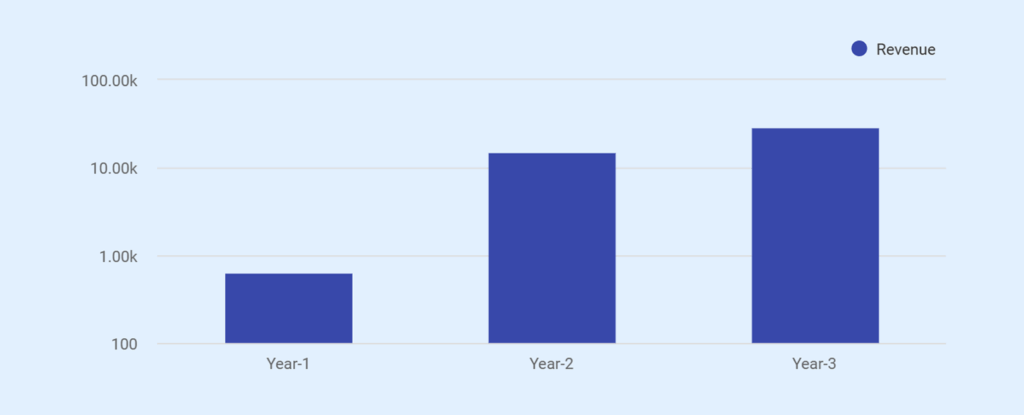
Revenue generation begins in mid-Year 1 after listener engagement and download levels stabilize. Revenue increases from $650 in Year 1 to $15,316 in Year 2 and $29,300 in Year 3. This growth comes mainly from more downloads and better sponsor participation. The business reaches the break-even point in Year 2.
| Metric | Year 1 | Year 2 | Year 3 |
|---|---|---|---|
| Total Revenue | $650 | $15,316 | $29,300 |
| Operating Expenses | $4,760 | $8,760 | $16,360 |
| Net Income (Pre-Tax) | ($7,027) | $2,551 | $8,164 |
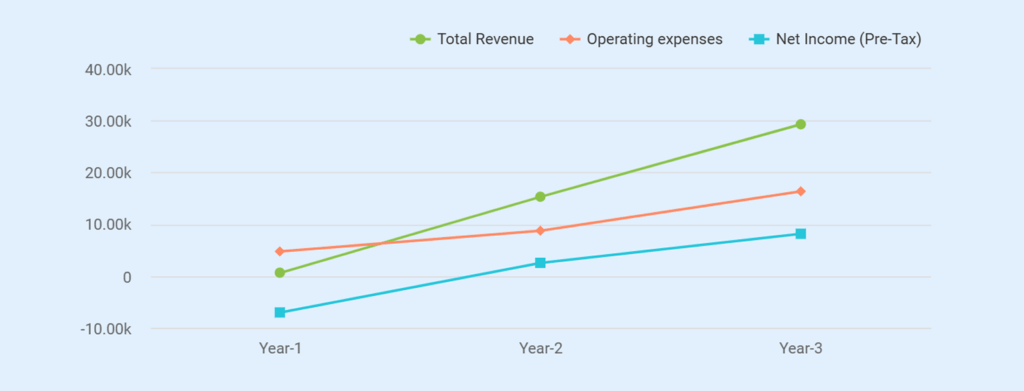
This setup keeps Signal & Story Podcast simple to manage and financially sustainable, with a clear path toward steady operations over time.
Host & Creator
Signal & Story Podcast is built around its host and founder, Jordan Wells. His voice, his experience, and his perspective are what make the show work. Without that, there’s no show. The podcast is intentionally structured as a host-led platform that helps build credibility, lived experience, and conversation quality drive listener retention.
Background and Expertise
Jordan’s background covers entrepreneurship, small business strategy, and personal development. The same three areas around which the podcast is built. That’s not a coincidence.
Jordan has spent years working directly with founders, small business owners, and independent professionals, close enough to understand what an early-stage business actually feels like. The hard calls, the uncertainty, the moments where there’s no clean answer. That’s what the show draws from.
He’s not analyzing business from the outside. He’s been in those conversations and is experienced in well-organized interviewing. Episodes are designed to take that real experience and turn it into something listeners can actually use. That’s a different thing from opinion-based commentary, and it shapes how every episode gets created.
Why This Podcast
Most entrepreneurship and personal development podcasts tell the same stories. Celebrity founders, nine-figure exits, generalized advice that sounds useful but doesn’t map to what most people are actually dealing with.
There’s less coverage of the real decision-making, regional founders, and honest conversations about risk and failure. Jordan started Signal & Story to fill that space. He focuses on:
- Real operating experiences, not highlight reels.
- Practical frameworks people can actually apply.
- Stories from local and regional founders that rarely get a platform.
- Honest conversations about setbacks and long-term thinking
The goal isn’t a big volume of content. It’s an audience that actually trusts the podcast. That means serving entrepreneurs and professionals who value depth and actionable takeaways.
Owner Role
As a single-member business, Jordan does everything, at least for now. Creative direction, hosting, production, editing, marketing, sponsorship, and finances. It’s a lean operation by design. That keeps costs low and keeps the show consistent during early growth.
As things grow, selective freelance support might make sense for specific tasks. But editorial direction and brand decisions stay with Jordan. That’s not negotiable as it’s just how this kind of business works.
Technical and Production Capability
Jordan handles recording, editing, mixing, mastering, and distribution. He’s proficient in using professional audio editing software. He also understands each podcast platform’s technical requirements, like compression, equalization, and normalization. This ensures all episodes meet consistent technical standards.
The studio is acoustically treated and set up for consistent results. Raw files are backed up locally and in cloud storage. This in-house capability reduces costs and ensures that content timelines don’t depend on third-party vendors.
Guest Sourcing and Relationship Building
Guest outreach isn’t a cold email campaign. Jordan maintains active relationships with entrepreneurship and local business campaign community groups. So most conversations start with such shared networks, prior interactions, or a mutual contact who can make an introduction. This makes the vetting process faster and the conversations noticeably better.
The guest process includes:
- Pre-interview research and briefing
- Topic alignment to audience needs
- Structured recording sessions
- Post-recording follow-up
- Coordinated cross-promotion with guests
This approach increases the likelihood of high-quality discussions and supports organic audience growth through guest audience sharing.
Future Goals
The business goals for the first three years are as follows:
- Publish one podcast episode each week, totaling approximately 48 episodes per year.
- Record 2–4 episodes per month (in batches) to maintain a continuous release schedule.
- Introduce sponsorship and affiliate revenue in mid-Year 1 once 350 downloads per episode in Year 1. Affiliate revenue should start at $150/month in Year 1.
- Reach break-even in Year 2 based on projected sponsorship and affiliate income.
These goals are set to keep operations steady, costs under control, and growth based on actual listener performance rather than assumptions.
Market Research
Global Podcast Market Overview
Podcasting has grown into one of the most widely used digital media channels available. This creates opportunities for content creators to engage with audiences worldwide.
The scale of that growth is worth understanding before looking at how Signal & Story Podcast LLC is positioned within it.
Here are key industry statistics:
- An estimated 584 million people listen to podcasts each month worldwide
- 158 million of those listeners are in the United States
- Over 55% of Americans aged 12 and older listen to podcasts each month
- Monthly listenership has grown by 9.6% year-over-year
- The global podcast industry is valued at nearly $40 billion
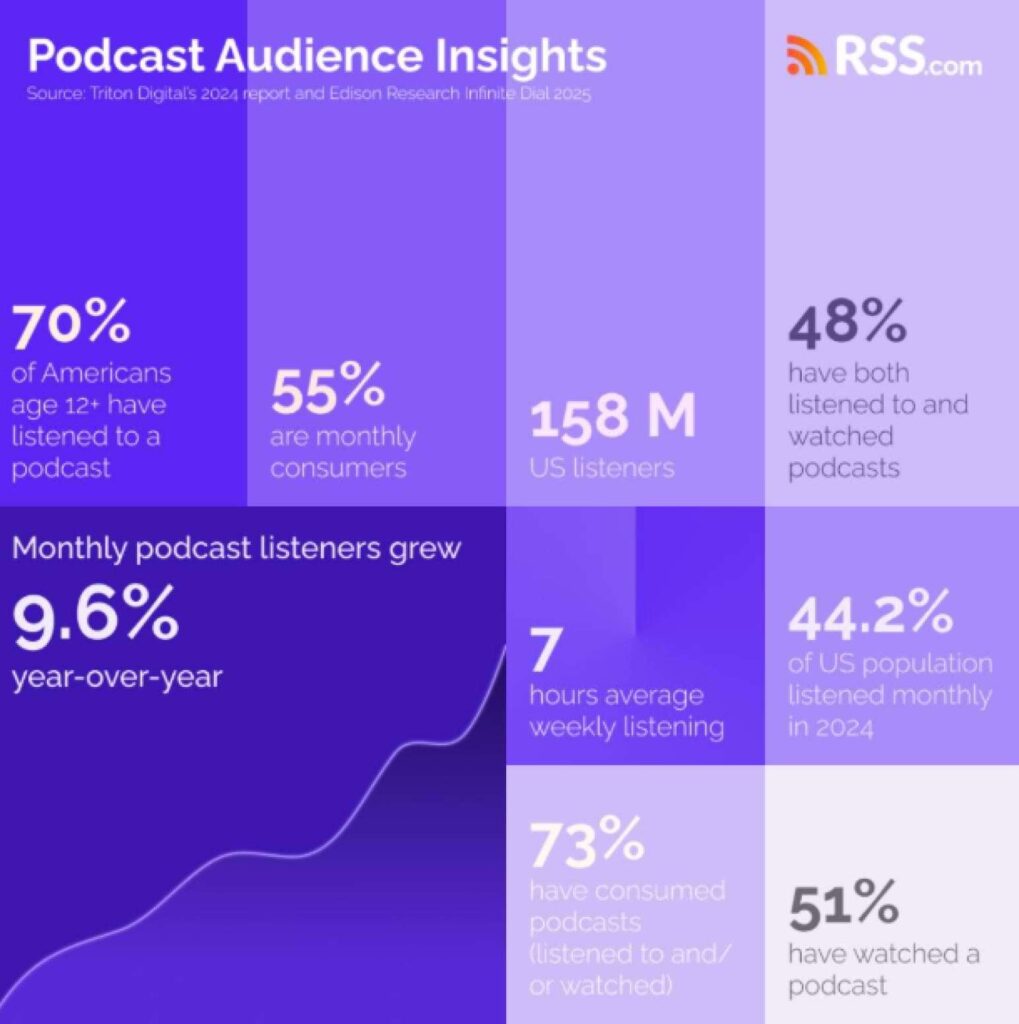
This growth is seen in many regions, particularly in North America, Europe, and parts of Asia. Growth is actually driven by widespread smartphone access, increasing use of streaming platforms, and the flexibility of on-demand audio.
In the U.S. specifically, the podcasting industry’s value is about $8.4 billion in 2025. This includes advertising and other revenues as well. And if growth continues at ~20% CAGR, it’s expected to be nearly triple to $25+ billion by 2030. This trend signals that the podcast industry remains an attractive space for both content creators and advertisers.
For Signal & Story Podcast LLC, this context matters for one practical reason. The market is large enough to support niche shows with clearly defined audiences. A podcast doesn’t need a vast number of listeners to be successful. But it needs a defined audience that listens consistently.
Local Operating Market: Austin, Texas
Signal & Story Podcast operates from Austin, Texas, a city with a thriving digital and tech ecosystem, ideal for content production. Austin, Texas, has a population of approximately 1,054,007 residents (as per newer estimates), with a median age of 34.5 years. This age group aligns closely with regular podcast listeners.
Around 94% of households have broadband internet access, supporting digital content creation and streaming. In addition, about 60% of adults hold a bachelor’s degree or higher, indicating a strong base of educated, digitally engaged residents.
Signal & Story Podcast operates from this environment but distributes content nationally through major podcast platforms. The city’s high internet access and educated population support content production and digital operations. Hence, this makes Austin a strategic location for running a podcast.
Ideal Listeners Profile (ILP)
Signal & Story isn’t designed for “general business listeners.” That category is too broad to serve well.
The show is built around four specific listener types, who deal with real, recurring problems and come back every week because the content actually helps them move forward. Here’s a list:
| Category | ILP 1: Small Business Owner | ILP 2: Side Business Starter | ILP 3: Local Business Follower | ILP 4: Growth-Focused Professional |
|---|---|---|---|---|
| Who They Are | Runs a small business with 1–10 employees. Handles most decisions. | Works full-time and is building a side project. | Interested in local founders and small businesses. | Wants better habits and work performance. |
| Main Problem | Revenue feels unstable. Hiring and growth decisions feel risky. | Limited time. Unsure how to start properly. | Hard to find relatable local business stories. | Burnout, weak routines, lack of focus. |
| What They Want | Clear advice on pricing, hiring, systems, and customer retention. | Step-by-step plan from idea to first customer. | Real stories with practical lessons. | Simple systems for productivity and discipline. |
| Why They Listen | They want advice they can apply immediately. | They want structure and realistic guidance. | They want grounded, real experiences. | They want practical tools, not motivation. |
| Episodes They Prefer | Pricing fixes, hiring lessons, real business breakdowns. | “Start to first sale” series, founder journeys. | Local founder interviews, behind-the-scenes stories. | Weekly routine systems, habit breakdowns. |
Audience research doesn’t happen once at launch and get filed away. Every month, before new episodes get planned, five things get reviewed:
- Track what listeners are asking from comments, DMs, and emails. Those patterns become episode topics.
- Watch listener drop-offs and adjust format or pacing (intro length, ad placement).
- Score guest performance based on new followers, clicks, saves, and audience overlap.
- Keep a proof-based topic list backed by listener requests, search trends, guest insights, or local events.
- Review listener profiles every 90 days and prioritize the most engaged listeners.
This monthly activity keeps the show grounded in what listeners actually want, and builds the kind of engaged audience that makes sponsorship conversations worth having.
Competitive Analysis
Signal & Story isn’t competing with every podcast business out there. The real competition is narrower. It competes with other podcasts that target the same listeners.
Direct Competitors
Signal & Story primarily competes with independent business and growth podcasts that focus on entrepreneurship and personal development. Most of them follow a similar pattern: High-profile founders, venture-backed success stories, motivational tone, and episodes that feel inspiring but light on operational detail. Also, publishing cadence is often inconsistent in many independent shows. Early-stage mistakes, pricing mechanics, and cash-flow discipline rarely get discussed in any real depth.
While these podcasts are popular, many stay at a surface level. But Signal & Story takes a different approach. Jordan has direct experience in the niche and has worked with small business owners & founders. The podcast goes deeper and focuses more on business decisions, real tradeoffs, and clear takeaways.
Examples listed below are illustrative and represent common podcast formats rather than direct market equivalents.
| Competitor | Profile | Type | Location | Strengths | Weaknesses |
|---|---|---|---|---|---|
| Indie Hackers Podcast |  |
Direct | National | Clear niche focus, founder-driven audience, consistent format | Limited production resources compared to networks |
| My First Million |  |
Direct | National | Engaging host-led discussions, strong listener loyalty | Relies heavily on host availability and brand |
Indirect Competitors
Signal & Story Podcast not only competes with other podcasts. It competes with similar kinds of content formats that capture the same listener’s attention.
YouTube business channels serve the same target audience group. It focuses on trends or viral business stories, delivers condensed advice, and emphasizes entertainment value. In contrast, Signal & Story positions itself with longer, distraction-free audio suited for commutes and focused listening.
Further, business newsletters and blogs compete for the same listeners’ time and attention. But the written content is transactional. Someone has a question, finds an article, gets a quick answer, and moves on. There’s no ongoing relationship, or no real value.
Here, Signal & Story stands out and builds recurring engagement through weekly long-form conversations. This strengthens trust and listener retention.
Competitive Advantages
Signal & Story’s edge covers these three things:
Founder-Led Depth over Inspiration
Most podcasts in this space are built around big wins and motivational success stories. Signal & Story’s host (founder) has direct experience in the niche. And episodes shed light on practical business decisions such as pricing, hiring, systems, or tradeoffs. That’s the core listener is looking for and rarely finds.
Structured Guest Conversations
A lot of podcast interviews are just open-ended conversations. But at Signal & Story, every guest episode or interview is prepared and guided with clear objectives. Listeners know they will get structured insight rather than general motivation. This builds audience trust and repeated listening.
Consistency
Many independent podcasts start strong and quietly disappear after a few months. Because they struggle with irregular publishing. Signal & Story follows a fixed weekly schedule that builds listener habit and trust over time. This supports long-term audience growth and reliability.
Content Offering
Core Product
Signal & Story Podcast produces one primary niche-focused podcast show. The business is structured around the production and distribution of this single show only. It does not provide media services to other creators or operate multiple content formats.
Episode Format
Episodes run somewhere between 30 and 60 minutes, depending on the topic and format.
Solo Commentary: It’s just Jordan (the host) sharing thoughts on specific topics.
Guest Interviews: Jordan interviews experts or relevant figures in the subject area. It’s worth an hour of a listener’s time.
Mixed Format: Some episodes will combine both solo commentary and guest interviews to provide variety.
Season Structure
The podcast follows a continuous release model, and there’s no off-season in Year 1. The release schedule is fixed at roughly 48 episodes a year. One a week with no breaks and no seasonal gaps. This ensures a steady, consistent schedule for listener engagement.
Content Ownership
All podcast content, including episodes, interviews, and any creative materials, is owned by the business. This allows full control over distribution, monetization, and future content decisions.
Services Not Offered
The business limits operations to a single podcast only. It does not expand into additional activities until it reaches the break-even point.
At this stage, the business does not offer:
- Downloadable products or tools offered
- Merchandise or branded goods
- Paid subscriptions or membership programs
- Live podcast shows or event recordings
- Podcast production services for other creators or businesses
- Management of multiple podcasts or networks
By not expanding into these areas, Signal & Story Podcast can focus on producing high-quality content and control operational costs in the early growth phase.
Distribution & Growth Strategy
Signal & Story Podcast uses a disciplined, content-first growth approach. It mainly focuses on building regular listeners rather than short-term spikes in downloads. The strategy relies on consistent publishing, visibility across major podcast platforms, and repeat listening behavior. A paid advertising campaign is not the primary growth lever in the early stage.
Audience discovery happens primarily through podcast platforms and content sharing. All growth activities are handled directly by Jordan and are designed to be low-cost, repeatable, and manageable within an owner-operated structure.
Distribution Platforms
The podcast will be distributed on major platforms. This helps ensure broad visibility and accessibility for listeners.
Here are the distribution platforms that serve as the main subscription and listening channels:
And primarily, the podcast will be available in an audio-first format, along with static images or light video elements. This will engage users on these platforms.
Search-Driven Discovery
Most early listeners won’t find the show through word of mouth. They’ll find it through a specific search, like a problem they’re dealing with or a question they need answered.
So, we’re planning to use episode titles and descriptions that are clear and searchable. We will target low-competition keywords on YouTube. Not broad topics like “business growth” but specific phrases like “how to fix a pricing mistake” or “when to hire your first employee.” The aim is to attract target listeners who are actively searching for solutions.
Content Repurposing
One episode doesn’t just live as one episode. After each release, the most compelling 30 to 90-second moments get pulled out and turned into short-form clips:
- YouTube Shorts
- Instagram Reels
- Short-form vertical clips
These clips focus on a clear takeaway, a strong opinion, or a practical framework.
Key insights also get reformatted for LinkedIn posts and written threads. The goal isn’t to summarize the episode, but to distribute one strong idea in a format that directs interested readers back to the full podcast episode.
This layered redistribution ensures one episode supports multiple channels without requiring new content creation each time.
Guest Cross-Promotion
Every guest brings their own audience. After each episode, guests get ready-to-use clips, graphics, and suggested captions to make sharing with their audience as easy as possible.
The engagement from each guest episode gets tracked to understand which guest audiences convert into regular listeners. This supports organic exposure within relevant communities.
Email List
An email list will be used for building a direct communication channel. Listeners will be invited to subscribe to an email newsletter via episode calls-to-action, YouTube descriptions, and LinkedIn posts. The newsletter will cover key takeaways from recent episodes and let subscribers know new releases. The email list reduces dependence on platform algorithms.
Over time, it becomes the most direct and reliable channel for staying connected with the audience. And most importantly, it becomes an essential asset for sponsorship conversations.
Marketing Spend
The plan assumes there’s no fixed monthly marketing budget in Year 1. Spending is modest and flexible. Costs may include:
- Design assets (cover art, episode graphics)
- Short promotional clips
- Small paid boosts if needed
Most growth depends on consistent weekly publishing, search-based discovery, email list building, and guest audience exposure rather than paid campaigns.
Monetization Strategy
Signal & Story Podcast follows a staged monetization approach. Revenue is generated through sponsorship placements and affiliate partnerships after a stable audience and listener engagement become consistent.
Monetization begins once download levels and retention metrics support sponsor pricing. This is projected to begin in Month 8 of Year 1.
Primary Revenue Sources
Host-Read Sponsorship Placements
Sponsorships will be the primary revenue driver.
- Sold on a CPM (Cost Per Mille) basis.
- Integrated directly into episodes as host-read segments.
- Priced based on average downloads per episode.
- Limited to relevant tools, services, and platforms aligned with the audience.
Because the podcast serves small business owners and side-project builders, ideal sponsors include:
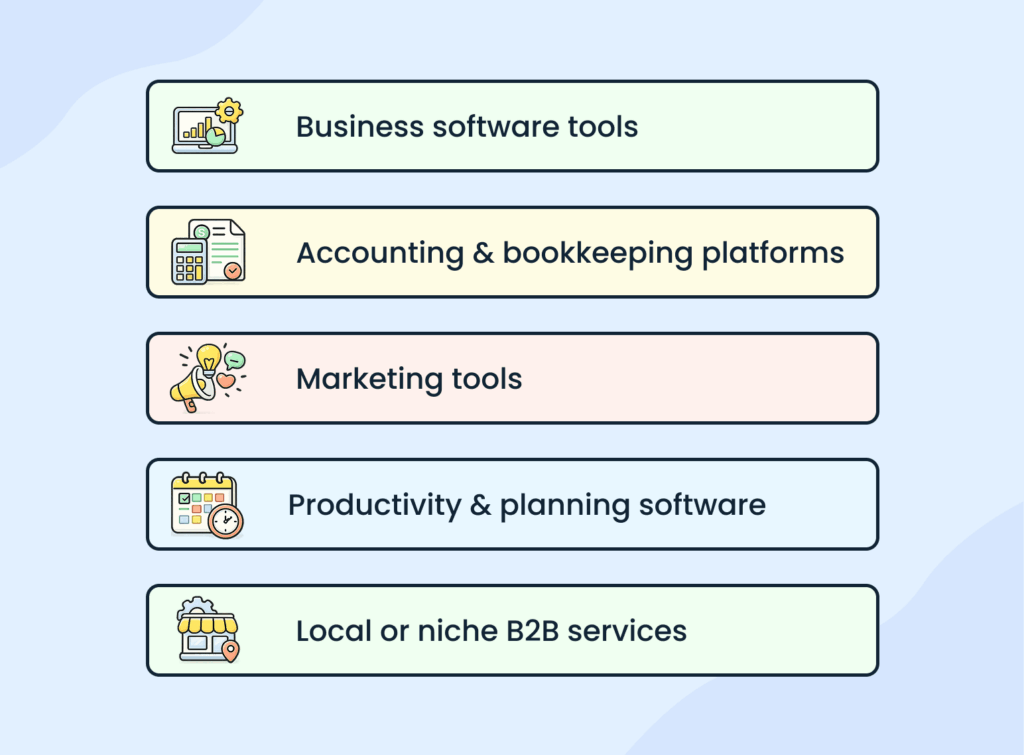
Sponsorship placements will be structured and limited to maintain listener trust. Only relevant tools will be promoted, and placements will be integrated naturally within the episode.
CPM rates will increase as audience size and retention improve.
Affiliate Partnerships
Affiliate partnerships follow a similar structure and support sponsorship revenue. The owner selects relevant products or services that match the episode topic, includes tracked referral links in episode descriptions/YouTube descriptions, and mentions them during episodes during relevant discussions.
For example, if an episode is about pricing systems, a pricing tool affiliate may be referenced. This will help generate qualified leads for partner software platforms.
Affiliate income can grow over time as more episodes remain available and continue attracting new listeners.
Secondary Revenue Options (Not Active in Year 1)
Future opportunities might include integrating branded content segments into episodes and long-form sponsored interviews. This will be considered once the podcast reaches a higher level of engagement.
The business model does not include paid memberships, merchandise, or paid bonus episodes in the early model. This helps keep focus more on sponsor-driven and affiliate-based revenue.
Operations Plan
Signal & Story Podcast follows a structured and repeatable operating model designed to support consistent podcast production and controlled workload. The business is organized around defined production steps, a regular publishing schedule, and direct owner control rather than high-volume output or complex operations.
Operations are intentionally kept lean to ensure reliability, quality control, and low fixed costs during early stages.
Operating Workflow and Schedule
Signal & Story Podcast follows a fixed weekly release schedule with no seasonal breaks in Year 1. Approximately 48 episodes are released per year.
Workflow
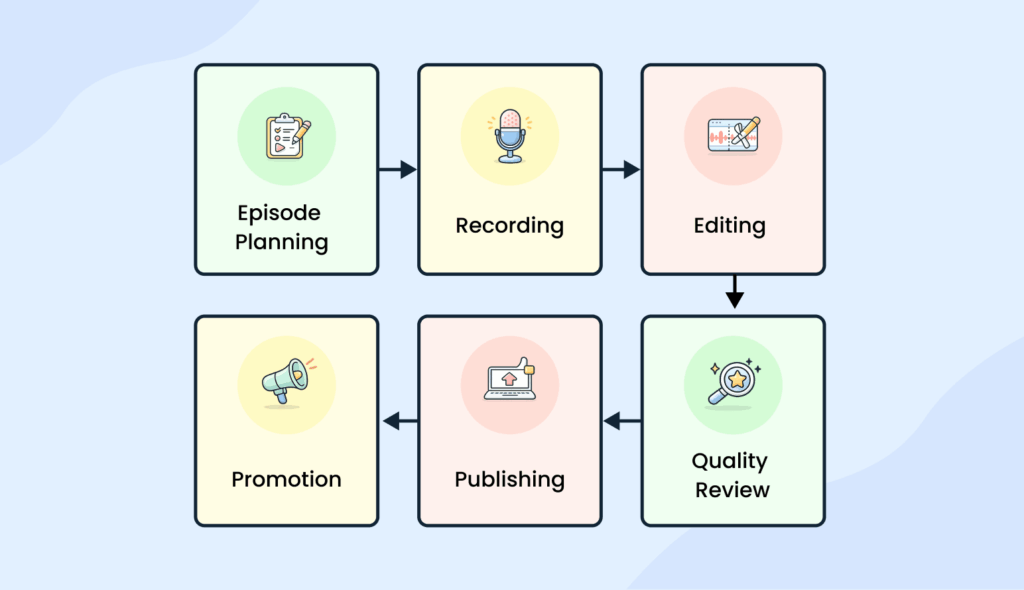
Each episode follows the same production sequence:
- Topic selection and episode outline
- Recording in the home studio
- Audio editing and sound cleanup
- Quality review of final audio
- Upload to the hosting platform
- Distribution to Spotify, Apple Podcasts, Google Podcasts, and YouTube
- Promotion and guest sharing
Production Cadence
Episodes are recorded in batches of 2 to 4 per month. Recording in advance maintains schedule consistency and prevents missed release dates.
Backup Procedures
All raw audio files are:
- Saved locally on the production workstation
- Backed up to cloud storage
This ensures file protection and recovery if needed.
Weekly Structure
| Period | Activity |
|---|---|
| Weekdays | Planning, recording, editing, guest coordination |
| Release Day | Weekly episode publishing |
| Weekends | Limited activity or preparation for upcoming episodes |
The business does not operate on fixed daily hours. Work is organized around maintaining the weekly publishing schedule and completing episodes in advance.
Facility
The podcast operates from a dedicated home recording studio. The space is used for recording, editing, and publishing episodes.
The setup includes several tools and equipment suitable for a home-based podcast operation:
| Equipment / Software | Purpose | |
|---|---|---|
 |
Professional USB/XLR Microphone (with Boom Arm and Audio Interface) | Captures high-quality vocal audio |
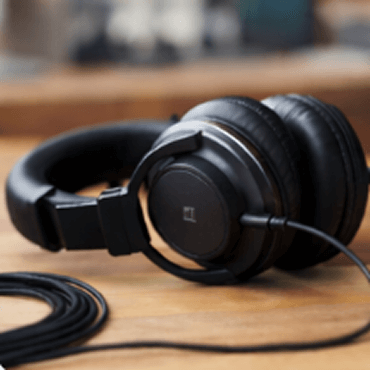 |
Closed-Back Headphones | Ensures accurate sound monitoring during recording |
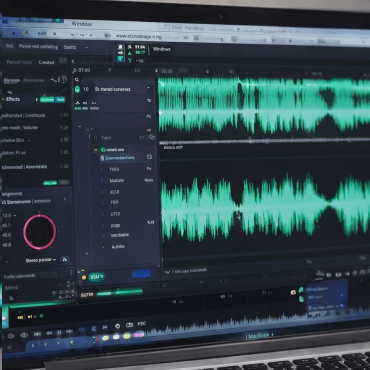 |
Licensed Recording & Editing Software | Used to record, edit, and prepare episodes for release |
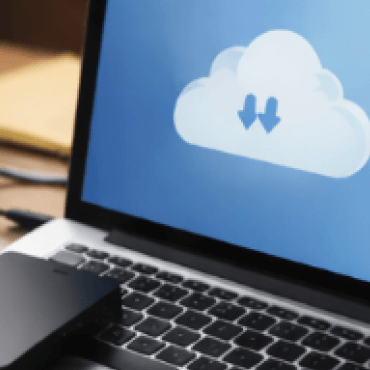 |
Cloud and local storage | Stores and backs up raw audio files and episode data |
This setup allows the business to produce and distribute episodes to podcast hosting platforms (Spotify, Apple Podcasts, Google Podcasts, and YouTube) consistently without reliance on third-party studios.
No commercial lease, buildout, or retail infrastructure is required. The home-based setup supports weekly production without fixed facility overhead.
Vendors and Service Providers
The business relies on a limited number of service providers to support production and distribution. Here’s a list of external vendors for key services:
| Vendor Type | Purpose |
|---|---|
| Podcast hosting provider | Distributes episodes to platforms |
| Software providers | Recording and editing tools |
| Cloud storage provider | File backup and storage |
By limiting the number of vendors, the business reduces dependency and keeps operations simple.
Risk and Mitigation
The podcast market is competitive, and audience attention is limited. Signal & Story Podcast faces several identifiable risks during early operations.
Key risks include:
- Competition for listener attention, particularly during the first year when download levels are still developing
- Delayed audience growth, which may postpone the start of sponsorship revenue projected for mid-Year 1
- Dependence on a single owner responsible for recording, editing, publishing, and scheduling
- Reliance on third-party distribution platforms such as Spotify and Apple Podcasts, whose algorithms and policies may change
- Variability in sponsorship demand and CPM-based advertising rates
To manage these risks, the business has implemented specific operational controls:
- Recording episodes in advance and maintaining a content buffer of approximately 4–6 completed episodes
- Tracking download metrics and listener retention through the hosting platform’s analytics dashboard
- Introducing revenue through both sponsorship placements and affiliate partnerships rather than relying on one source
- Using written sponsor agreements that define placement terms and payment structure
- Maintaining direct audience contact through email collection and consistent episode publishing
The business structure limits fixed expenses, avoids payroll obligations, and introduces monetization only after engagement metrics stabilize. These controls reduce financial pressure during early growth and allow adjustments based on actual listener performance data.
Licensing and Compliance
Signal & Story Podcast operates from a private home studio and does not require any industry-specific operating permits beyond standard business registration and tax compliance.
| License / Requirement | Authority | Purpose |
|---|---|---|
| Business registration (LLC) | State of Texas | Legal operation as a limited liability company |
| Local business compliance | City or county authority (if required) | Confirms compliance with local regulations |
| Federal and state tax registration | IRS and State of Texas | Enables tax reporting and compliance |
| Content licensing | Rights holders / royalty-free providers | Ensures music and sound effects are licensed or royalty-free |
| Guest release forms | Direct agreement with guest | Grants permission to publish recorded interviews |
| Sponsorship agreements | Direct agreement with sponsors | Defines placement terms, payment, and deliverables |
| Platform compliance | Spotify, Apple Podcasts, Google Podcasts, YouTube | Adheres to content guidelines and advertising disclosure rules |
Also, the business maintains general liability insurance as required by the lender. It covers basic risk management standards. Because operations are home-based and do not involve public access, regulatory requirements remain limited.
Management & Staffing
Owner Responsibilities
Jordan Wells owns the business and handles all operational responsibilities, including podcast production, marketing, and financial oversight. He performs these tasks:
- Content creation that covers episode hosting, recording, editing, and publishing
- Managing guest communications, sponsorship negotiations, and affiliate partnerships
- Promoting episodes and engaging with the audience
- Basic administrative tasks, including financial budgeting and reporting
Contract / Freelance Support (As Needed)
| Role | Headcount | Engagement Type | Responsibility | Compensation |
|---|---|---|---|---|
| Freelance Audio Editor | As required | Contract | Audio cleanup and editing during higher workload periods | Project-based or hourly |
| Graphic Designer | As required | Contract | Cover art updates or promotional graphics | Project-based |
| Marketing Support (Short-Term) | As required | Contract | Affiliate link management, promotions, and tracking partnerships | Hourly or project-based |
Freelancers are engaged only when the workload requires additional support. No retainers or guaranteed hours are included in the base plan.
Payroll Structure
The business does not maintain a traditional payroll structure during Year 1. All operational work is performed by the owner. So there’s no fixed payroll expense included in the base model.
- No W-2 employees
- Freelance support is paid only per project or per hour
- Owner compensation begins in Year 3 at $3,600/year
This lean structure ensures that the business remains cost-effective, especially in the early stages. But it still shows access to specialized help when required.
Financial Plan
The financial plan for Signal & Story Podcast is built around a low-cost, owner-operated model. Our approach focuses on keeping startup and operating expenses limited while allowing the business to grow gradually based on audience engagement rather than early revenue pressure.
We operate from a home-based setup, do not employ staff, and avoid long-term financial commitments. This structure keeps fixed costs low and reduces financial risk during early operations.
Financial Assumptions
The financial projections in this plan are based on conservative operating assumptions that reflect an owner-operated podcast business with limited fixed costs and gradual monetization.
| Item | Assumption |
|---|---|
| Revenue Stream 1: Sponsorships | CPM-based host-read ads; $20 CPM Yr1, $23 Yr2, $25 Yr3 |
| Revenue Stream 2: Affiliate partnerships | Commission-based; begins Month 10 of Year 1; $150/mo Yr1, $400/mo Yr2, $550/mo Yr3 |
| Revenue Stream 3: Listener memberships | $5/mo avg; launches Year 2; 35 avg members Yr2, 110 avg Yr3 |
| Revenue Stream 4: Branded content | One-off segments sold to local businesses; begins Year 2; 8×$500 Yr2, 10×$650 Yr3 |
| Episodes per year | 48 (weekly cadence) |
| Downloads/episode | Yr1: ramp 200→500 (avg 350); Yr2: 2,000; Yr3: 4,000 |
| Total annual downloads | Yr1: 16,800; Yr2: 96,000; Yr3: 192,000 |
| Sponsored episodes | Yr1: 20 (Months 8–12); Yr2–3: 48 (full year) |
| Ad slots per episode | Yr1: 1; Yr2–3: 2 |
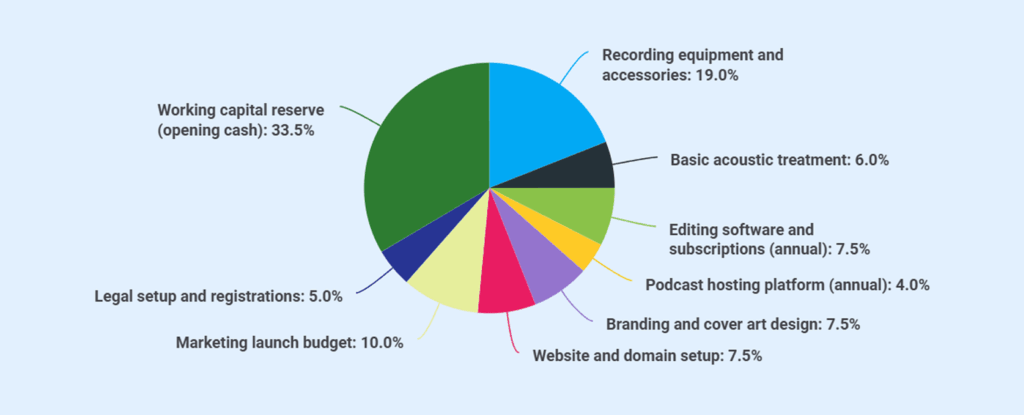
Startup Costs & Use of Funds
| Category | Cost |
|---|---|
| Recording equipment and accessories | $3,800 |
| Basic acoustic treatment | $1,200 |
| Editing software and subscriptions (annual) | $1,500 |
| Podcast hosting platform (annual) | $800 |
| Branding and cover art design | $1,500 |
| Website and domain setup | $1,500 |
| Marketing launch budget | $2,000 |
| Legal setup and registrations | $1,000 |
| Working capital reserve (opening cash) | $6,700 |
| Total Startup Costs | $20,000 |
Source of Funds
| Sources of Funds | Amount |
|---|---|
| Bank loan (8%, 5 years) | $15,000 |
| Owner equity injection | $5,000 |
| Total Funding | $20,000 |
Profit & Loss Statement
| Line Item | Year 1 | Year 2 | Year 3 |
|---|---|---|---|
| REVENUE | |||
| Sponsorship Revenue | $200 | $4,416 | $9,600 |
| Affiliate Revenue | $450 | $4,800 | $6,600 |
| Membership Revenue | $0 | $2,100 | $6,600 |
| Branded Content Revenue | $0 | $4,000 | $6,500 |
| Total Revenue | $650 | $15,316 | $29,300 |
| COST OF SALES (COGS) | |||
| Podcast Hosting Platform | $800 | $900 | $1,000 |
| Freelance Audio Editor | $0 | $1,200 | $1,800 |
| Total COGS | $800 | $2,100 | $2,800 |
| GROSS PROFIT | ($150) | $13,216 | $26,500 |
| Gross Margin % | (23.1%) | 86.3% | 90.4% |
| OPERATING EXPENSES | |||
| Software Subscriptions | $1,500 | $1,800 | $1,800 |
| Internet & Phone | $1,440 | $1,440 | $1,440 |
| Marketing & Promotion | $500 | $2,400 | $4,800 |
| Freelance Graphic Designer | $300 | $800 | $1,200 |
| Freelance Marketing Support | $0 | $1,200 | $2,400 |
| Music / SFX Licenses | $200 | $200 | $200 |
| Cloud Storage | $120 | $120 | $120 |
| Business Insurance | $500 | $500 | $500 |
| Miscellaneous | $200 | $300 | $300 |
| Owner Draw (Guaranteed Payment) | $0 | $0 | $3,600 |
| Total Operating Expenses | $4,760 | $8,760 | $16,360 |
| EBITDA | ($4,910) | $4,456 | $10,140 |
| Depreciation | $1,000 | $1,000 | $1,300 |
| EBIT (Operating Income) | ($5,910) | $3,456 | $8,840 |
| Interest Expense | $1,117 | $905 | $676 |
| Net Income (Pre-Tax) | ($7,027) | $2,551 | $8,164 |
Cash Flow Statement
| Line Item | Year 1 | Year 2 | Year 3 |
|---|---|---|---|
| CASH FROM OPERATIONS | |||
| Net Income | ($7,027) | $2,551 | $8,164 |
| Add back: Depreciation | $1,000 | $1,000 | $1,300 |
| (Increase)/Decrease in Accounts Receivable | ($40) | ($328) | ($432) |
| (Increase)/Decrease in Prepaid Expenses | $2,300 | $0 | $0 |
| Increase/(Decrease) in Accounts Payable | $0 | $0 | $0 |
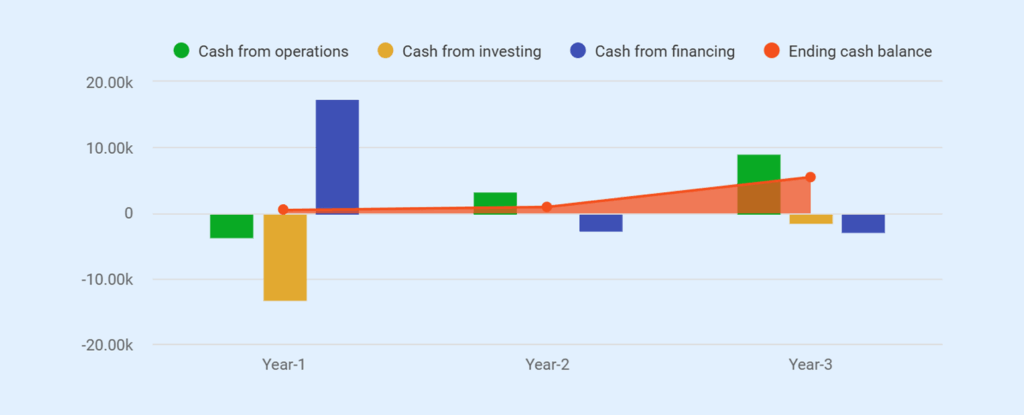
| Total Cash from Operations | ($3,767) | $3,223 | $9,032 |
| CASH FROM INVESTING | |||
| Recording Equipment & Acoustic Treatment | ($5,000) | $0 | $0 |
| Prepaid Expenses (startup software + hosting) | ($2,300) | $0 | $0 |
| One-Time Launch Expenses | ($6,000) | $0 | $0 |
| Video Equipment Upgrade | $0 | $0 | ($1,500) |
| Total Cash from Investing | ($13,300) | $0 | ($1,500) |
| CASH FROM FINANCING | |||
| Loan Proceeds | $15,000 | $0 | $0 |
| Owner Equity Contribution | $5,000 | $0 | $0 |
| Loan Principal Repayment | ($2,531) | ($2,743) | ($2,972) |
| Owner Distributions | $0 | $0 | $0 |
| Total Cash from Financing | $17,469 | ($2,743) | ($2,972) |
| NET CHANGE IN CASH | $402 | $480 | $4,560 |
| Beginning Cash | $0 | $402 | $882 |
| Ending Cash | $402 | $882 | $5,442 |
Spreadsheets are exhausting & time-consuming
Build accurate financial projections w/ AI-assisted features
Opening Balance Sheet (Day 0)
| Day 0 | |
|---|---|
| ASSETS | |
| Cash | $6,700 |
| Prepaid Expenses | $2,300 |
| Net Fixed Assets | $5,000 |
| Total Assets | $14,000 |
| LIABILITIES | |
| Current Portion of Loan | $2,531 |
| Long-Term Loan | $12,469 |
| Total Liabilities | $15,000 |
| EQUITY | |
| Contributed Capital | $5,000 |
| Retained Earnings | ($6,000) |
| Total Equity | ($1,000) |
| Total Liabilities + Equity | $14,000 |
Balance Sheet (3 Years)
| Line Item | Year 1 | Year 2 | Year 3 |
|---|---|---|---|
| ASSETS | |||
| Current Assets | |||
| Cash | $402 | $882 | $5,442 |
| Accounts Receivable | $40 | $368 | $800 |
| Prepaid Expenses | $0 | $0 | $0 |
| Total Current Assets | $442 | $1,250 | $6,242 |
| Fixed Assets | |||
| Gross Fixed Assets | $5,000 | $5,000 | $6,500 |
| Less: Accumulated Depreciation | ($1,000) | ($2,000) | ($3,300) |
| Net Fixed Assets | $4,000 | $3,000 | $3,200 |
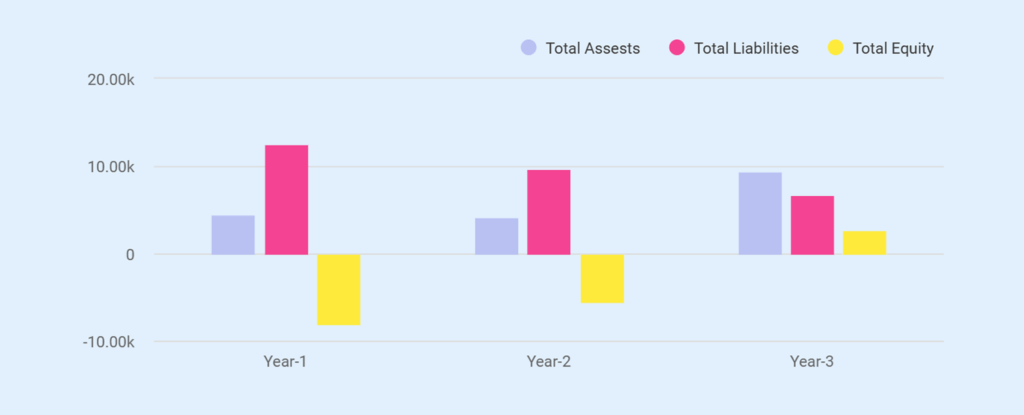
| TOTAL ASSETS | $4,442 | $4,250 | $9,442 |
| LIABILITIES | |||
| Current Liabilities | |||
| Accounts Payable | $0 | $0 | $0 |
| Current Portion of Loan | $2,743 | $2,972 | $3,218 |
| Total Current Liabilities | $2,743 | $2,972 | $3,218 |
| Long-Term Liabilities | |||
| Long-Term Loan | $9,726 | $6,754 | $3,536 |
| Total Long-Term Liabilities | $9,726 | $6,754 | $3,536 |
| TOTAL LIABILITIES | $12,469 | $9,726 | $6,754 |
| EQUITY | |||
| Contributed Capital | $5,000 | $5,000 | $5,000 |
| Retained Earnings | ($13,027) | ($10,476) | ($2,312) |
| Total Equity | ($8,027) | ($5,476) | $2,688 |
| TOTAL LIABILITIES + EQUITY | $4,442 | $4,250 | $9,442 |
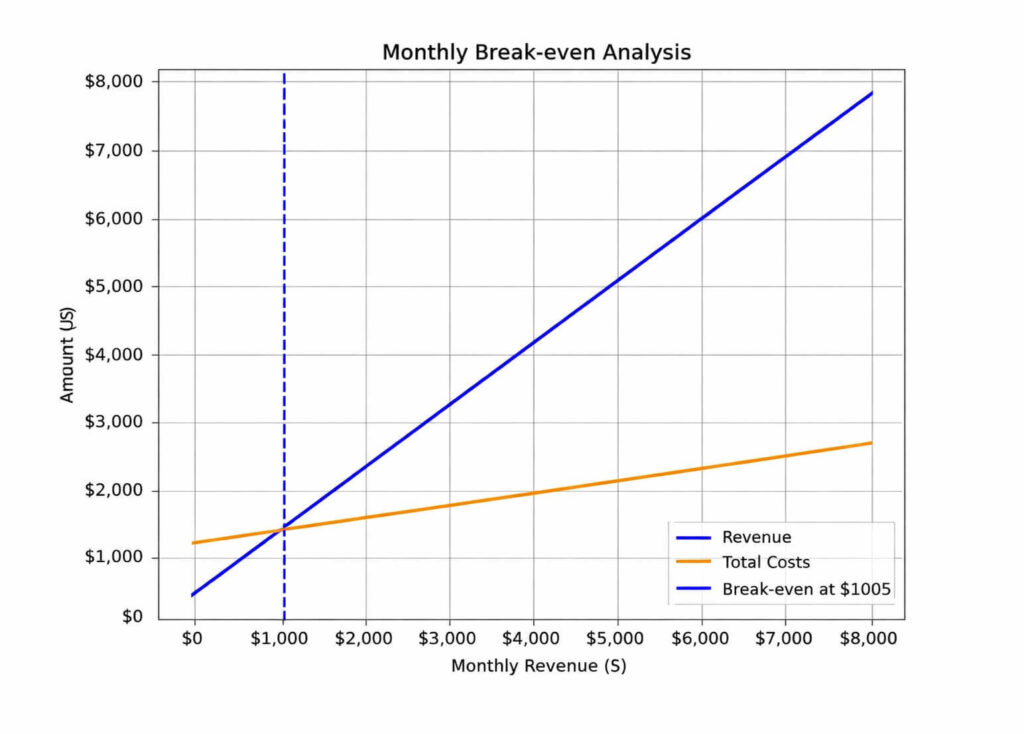
Break-Even Analysis
| Metric | Value |
|---|---|
| Monthly Fixed Costs (Year 2 basis) | $789 |
| Variable Cost Ratio | 21.5% |
| Contribution Margin % | 78.5% |
| Monthly Break-Even Revenue | $1,005 |
| Annual Break-Even Revenue | $12,064 |
| Year 2 Actual Revenue | $15,316 |
| Margin of Safety | 21.3% |
| Break-Even Downloads/Episode (with diversified revenue) | ~527 |
| Year 2 Actual Downloads/Episode | 2,000 |
| Break-Even Achieved | Year 2 |
Loan Amortization
| Loan Detail | Value |
|---|---|
| Loan Amount | $15,000 |
| Interest Rate | 8.0% fixed |
| Term | 60 months (5 years) |
| Monthly Payment | $304 |
| Annual Payment | $3,648 (Year 5 slightly higher due to rounding: $3,700) |
| Metric | Year 1 | Year 2 | Year 3 | Year 4 | Year 5 |
|---|---|---|---|---|---|
| Opening Balance | $15,000 | $12,469 | $9,726 | $6,754 | $3,536 |
| Interest Paid | $1,117 | $905 | $676 | $430 | $164 |
| Principal Paid | $2,531 | $2,743 | $2,972 | $3,218 | $3,536 |
| Total Payment | $3,648 | $3,648 | $3,648 | $3,648 | $3,700 |
| Closing Balance | $12,469 | $9,726 | $6,754 | $3,536 | $0 |
The Quickest Way to turn a Business Idea into a Business Plan
Fill-in-the-blanks and automatic financials make it easy.

Upmetrics
Upmetrics is the #1 business planning software that helps entrepreneurs and business owners create investment-ready business plans using AI. We regularly share business planning insights on our blog. Check out the Upmetrics blog for such interesting reads. Read more